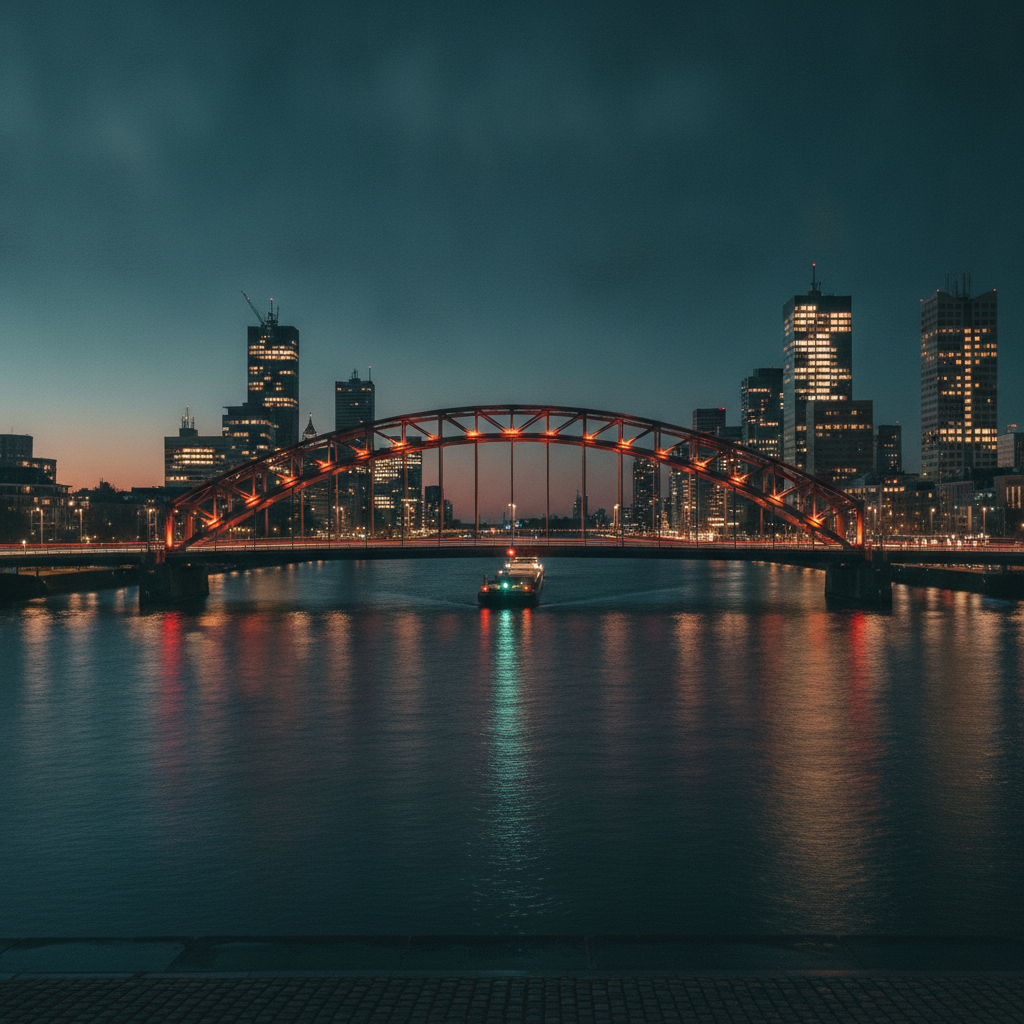
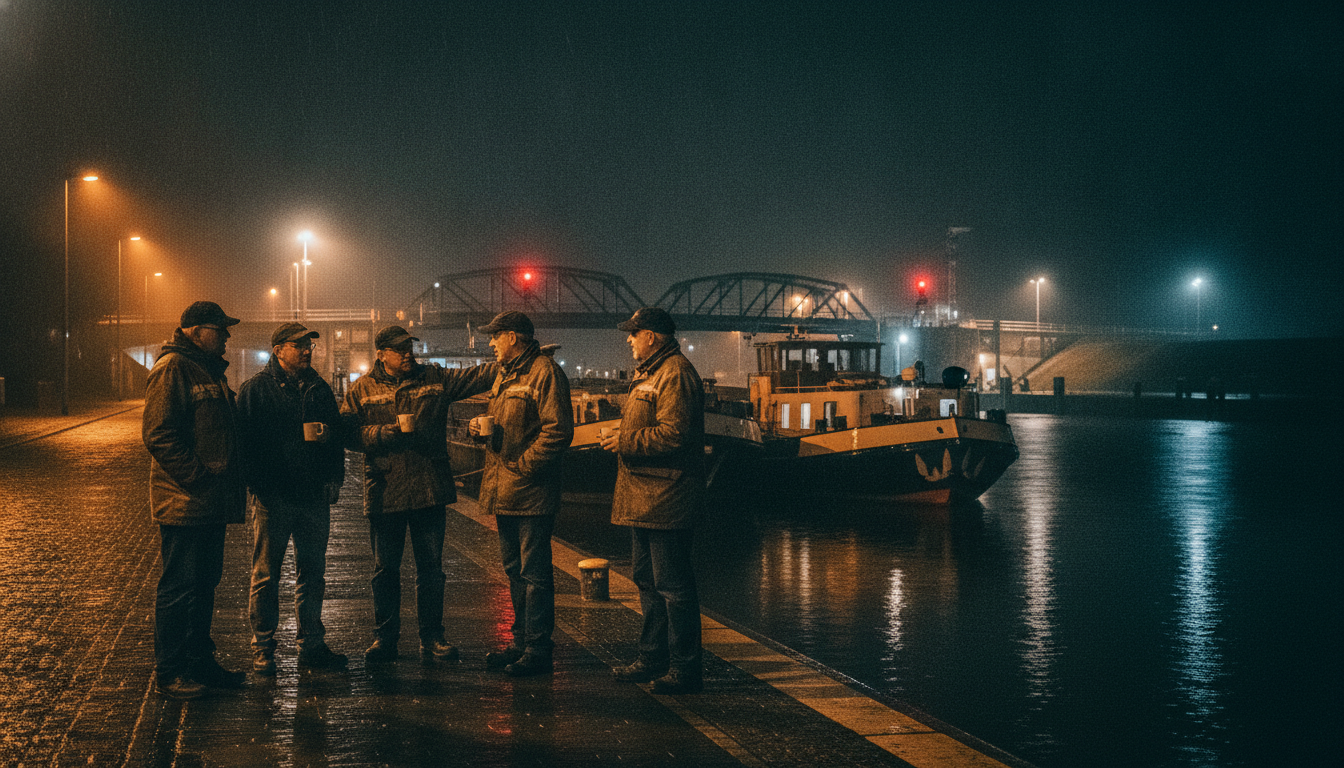
Accessibility management during major closures: a practical guide to minimising disruption Accessibility management during major closures: a practical guide to minimising disruption 3 June 2026
Knowledge Base

Accessibility management during major closures: a practical guide to minimising disruption

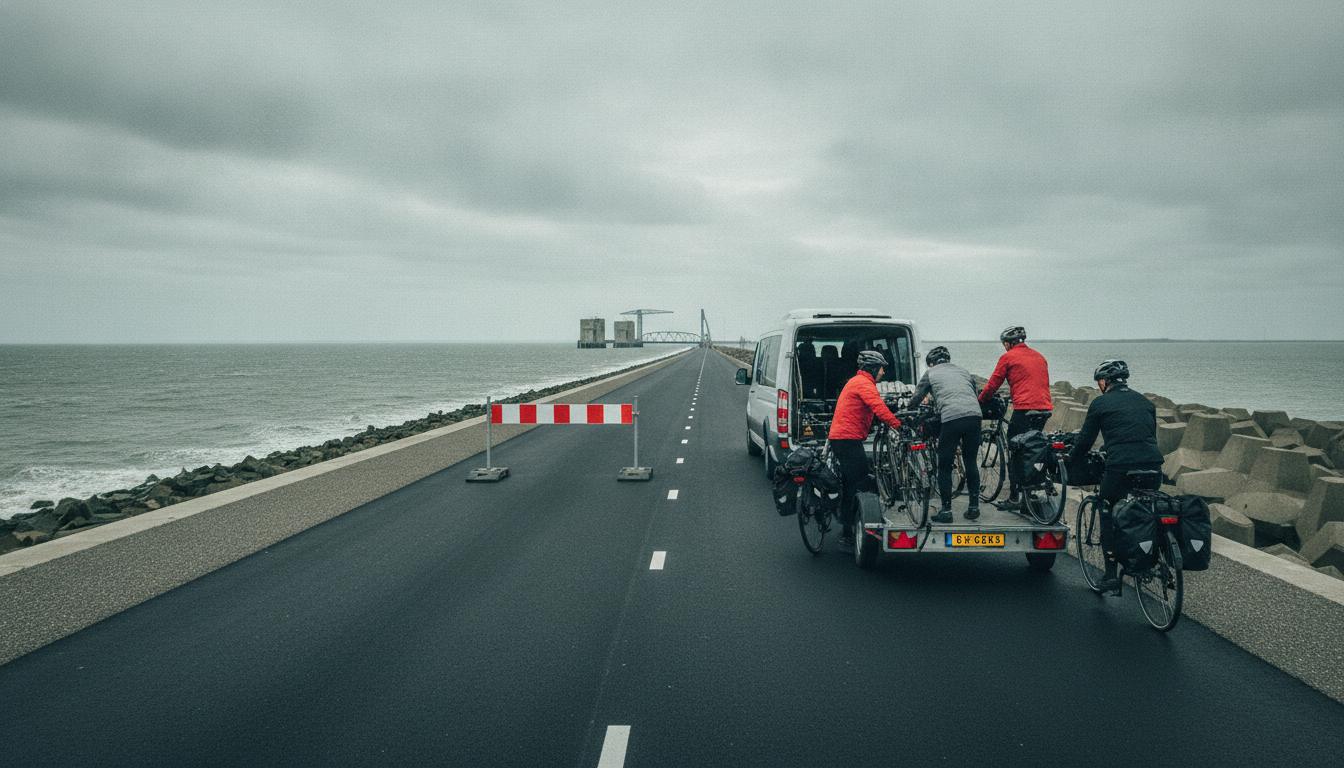
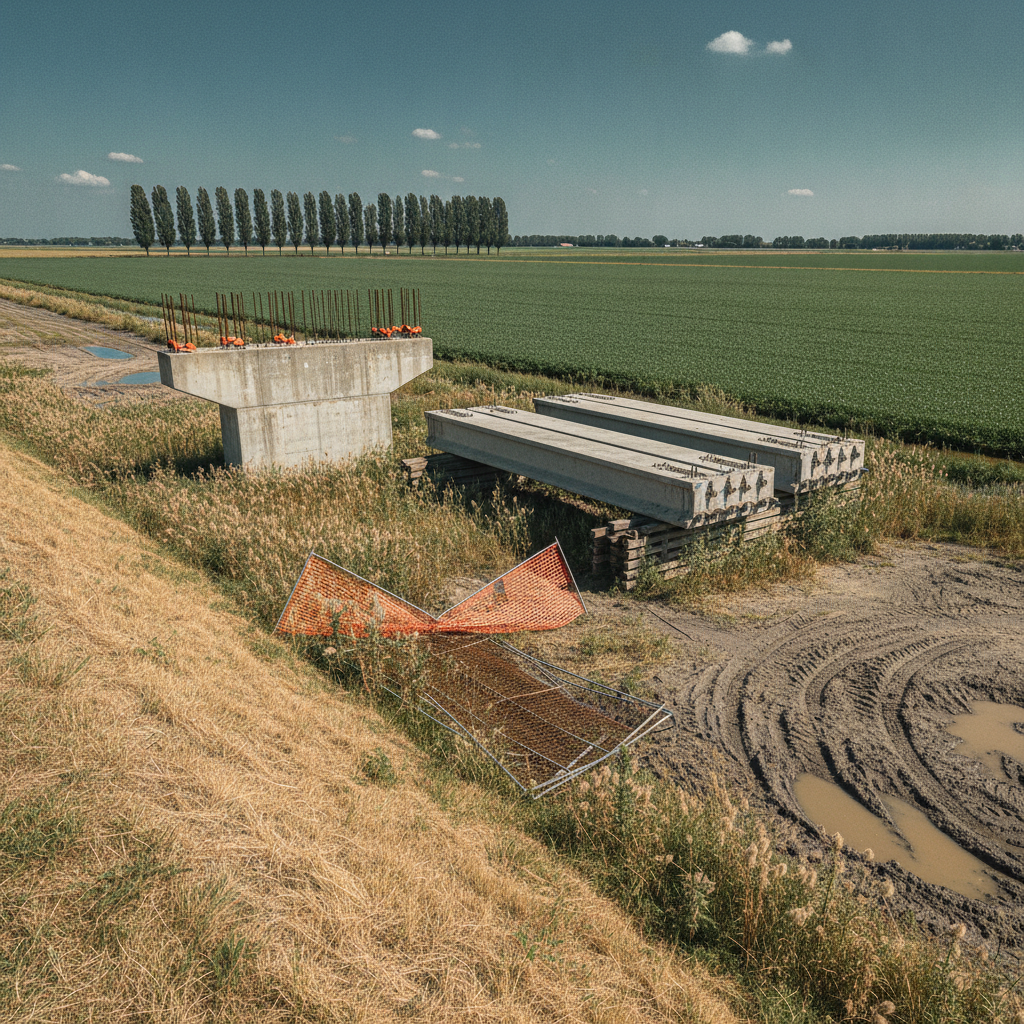
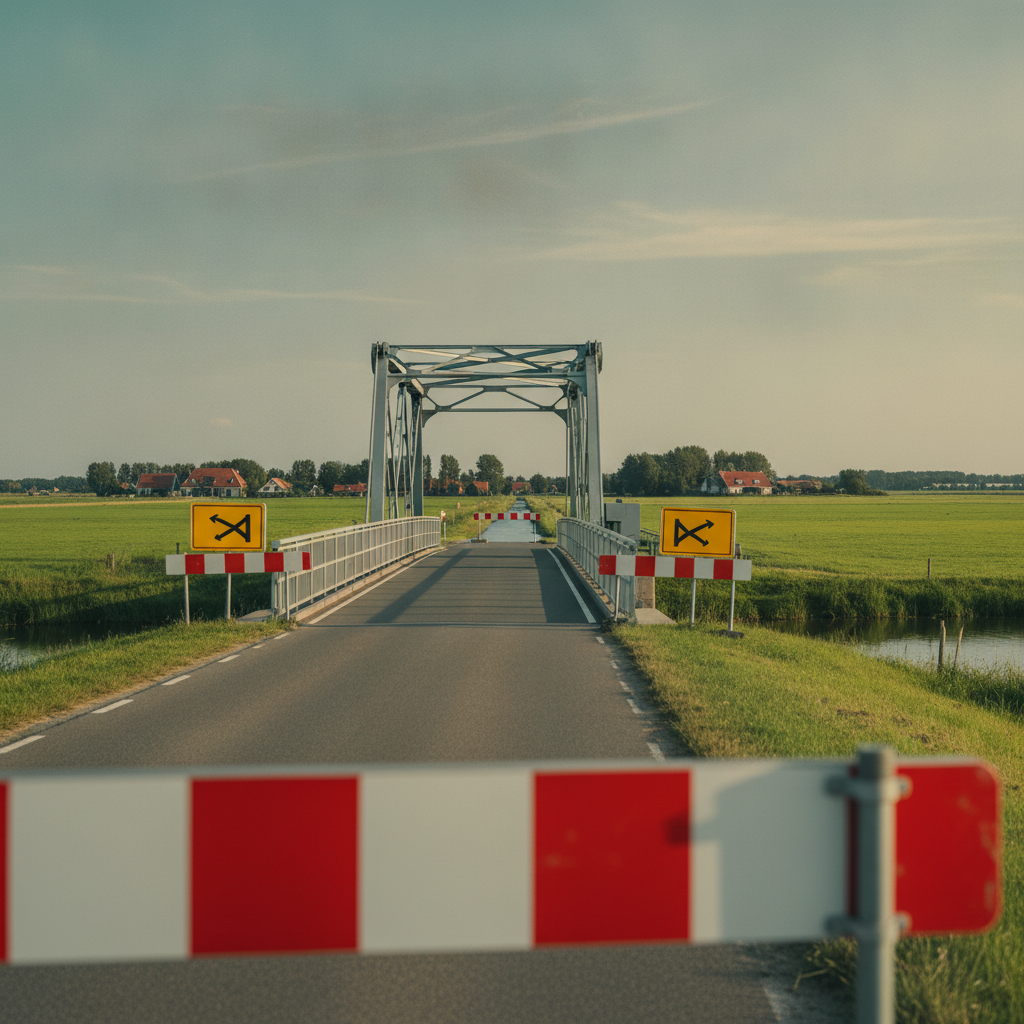
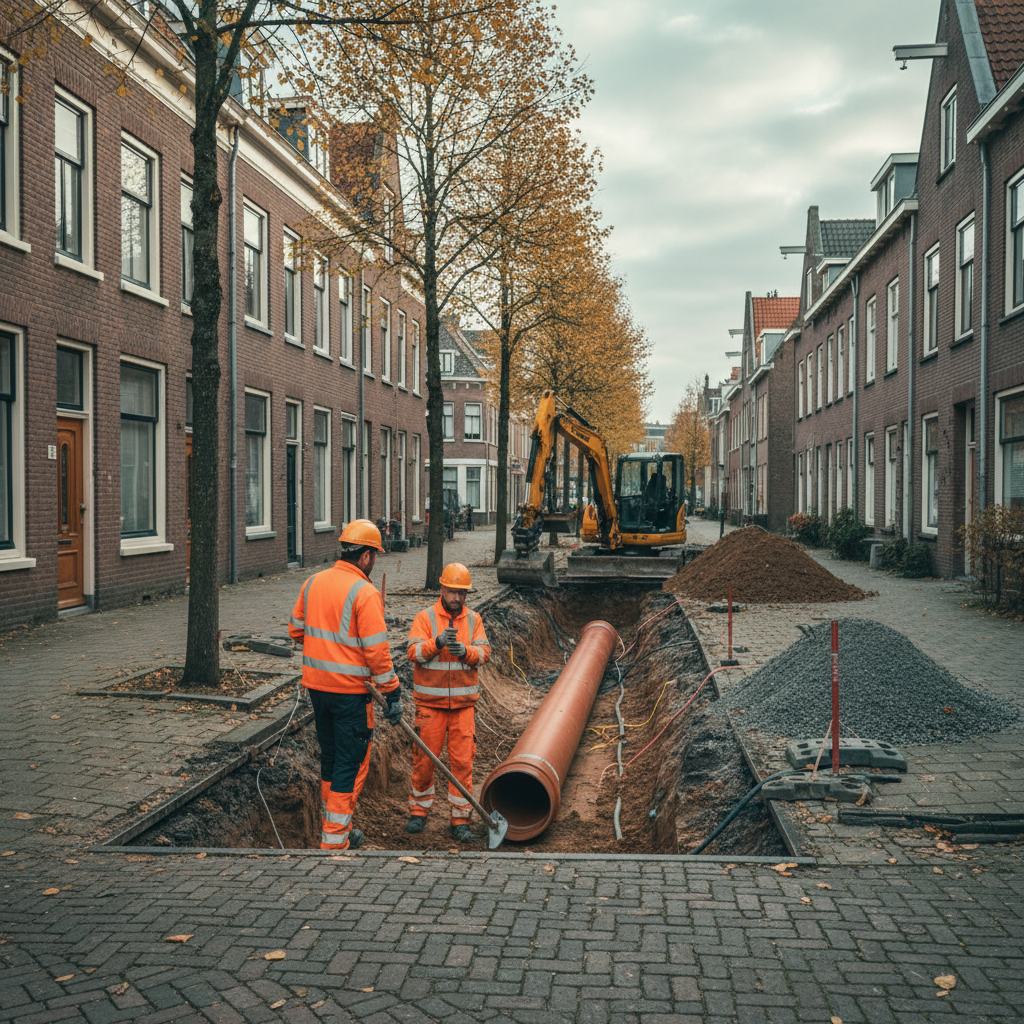
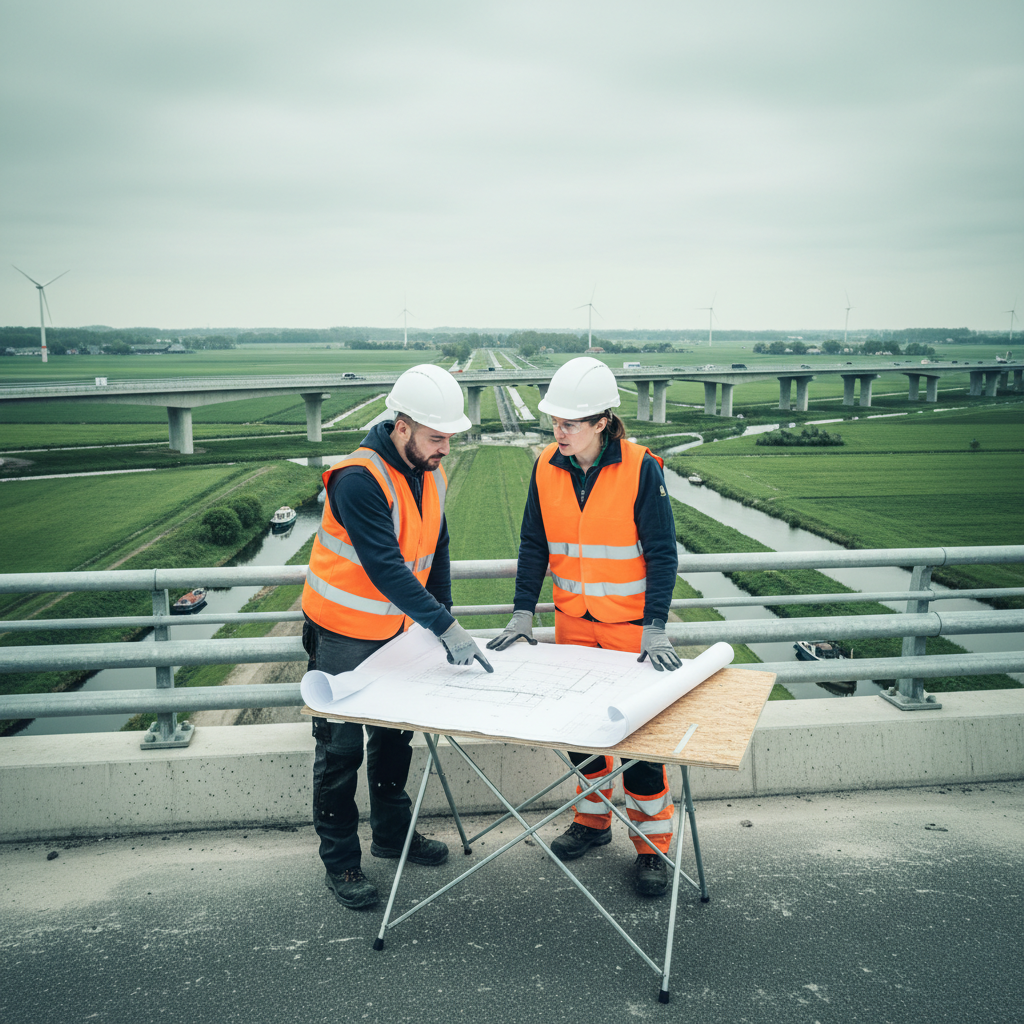
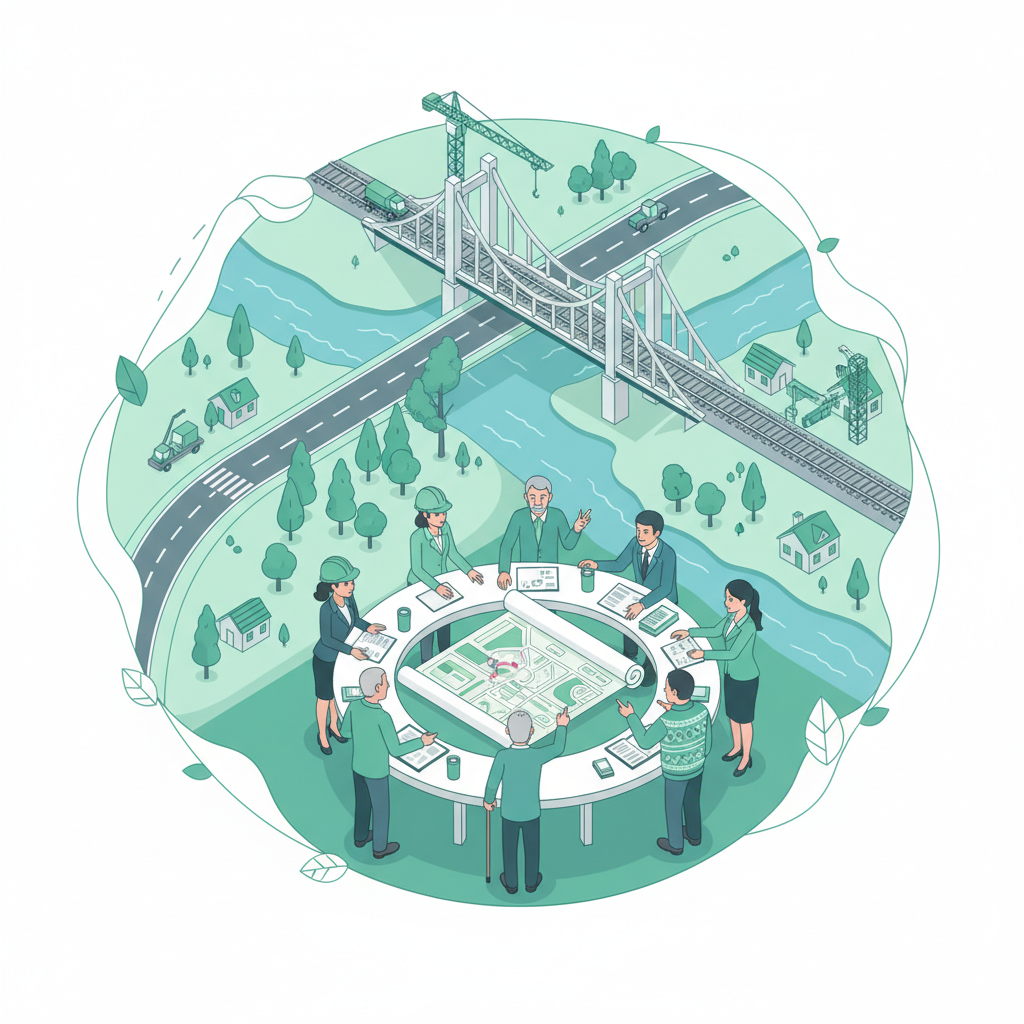
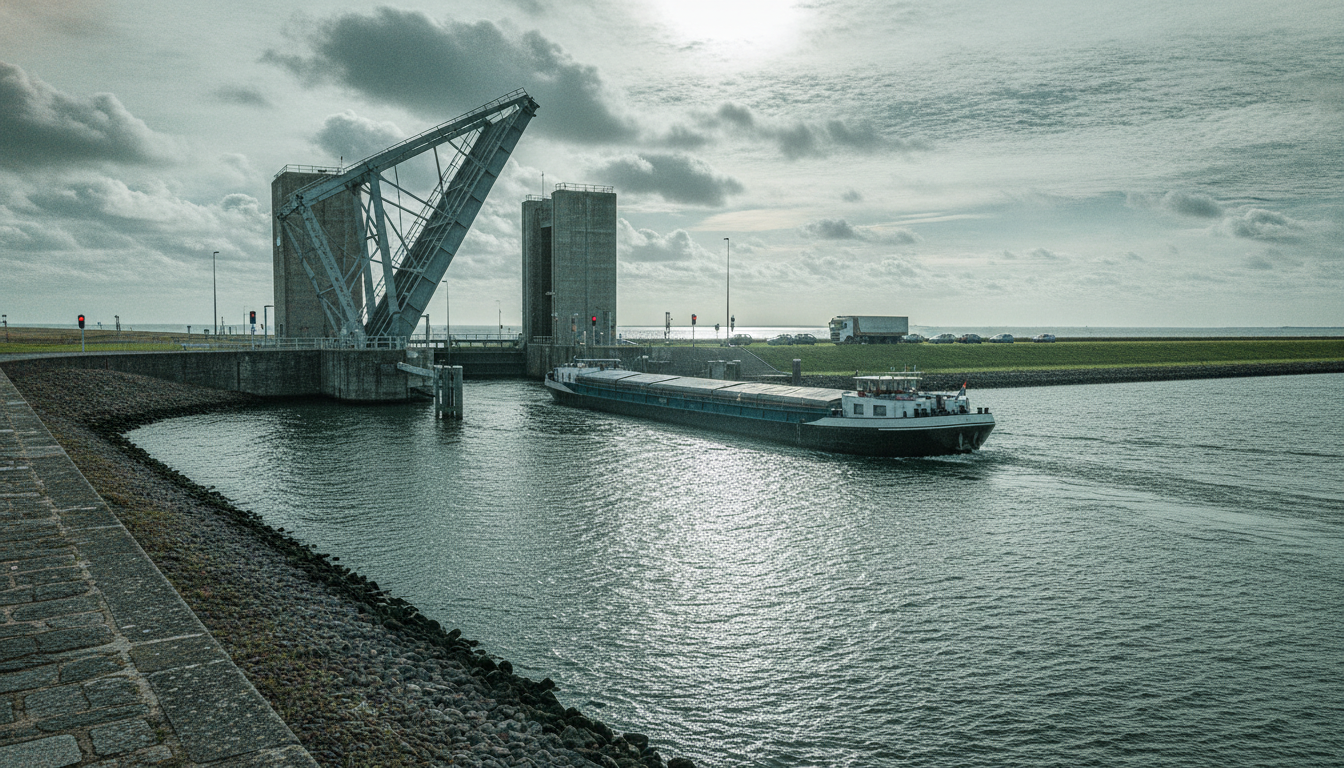
The Papendrechtsebrug will close completely for nine months, and in 2026 that is no longer the exception. During major closures it is not the engineering but the disruption strategy that determines whether the surrounding community keeps backing the project. A practical guide in six principles.

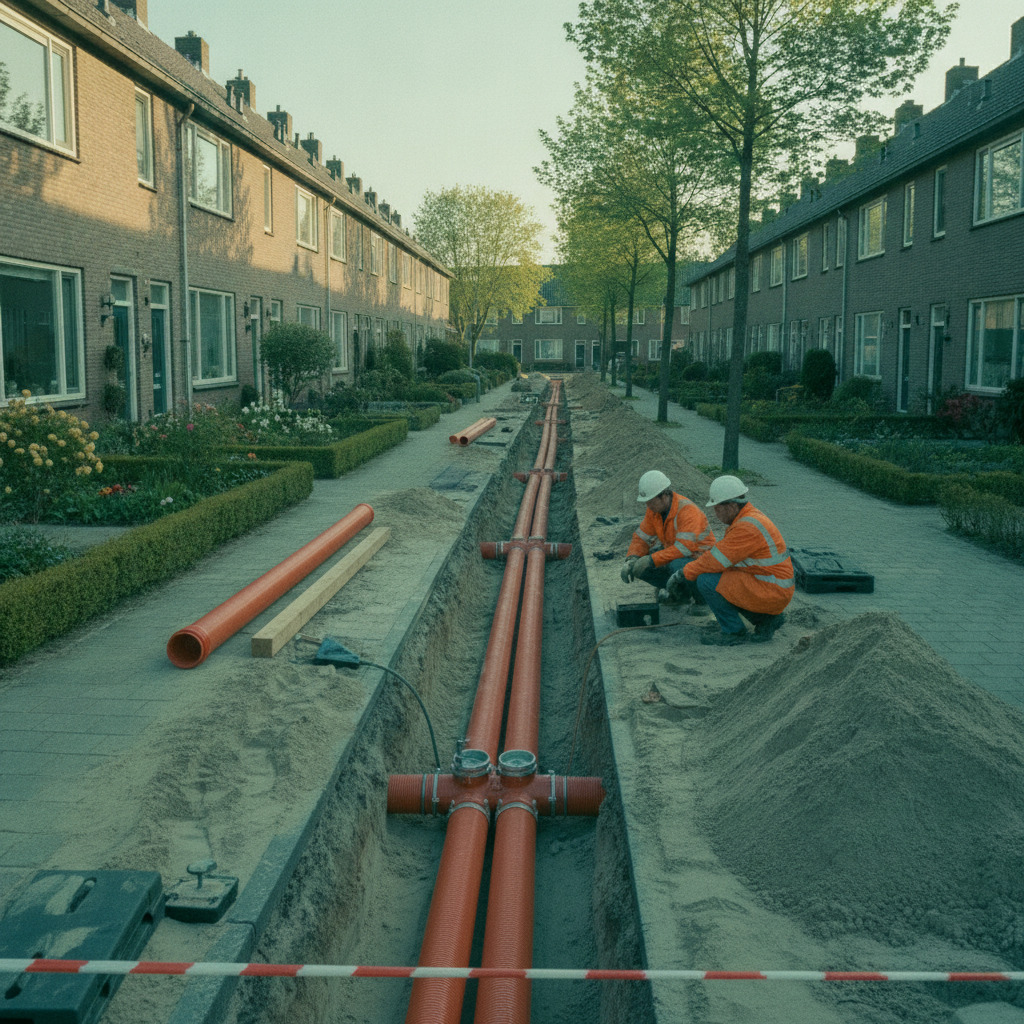
Buyout scheme for 380kV grid expansion: more generous compensation, tighter deadline for residents Buyout scheme for 380kV grid expansion: more generous compensation, tighter deadline for residents 1 June 2026
Policy

Buyout scheme for 380kV grid expansion: more generous compensation, tighter deadline for residents

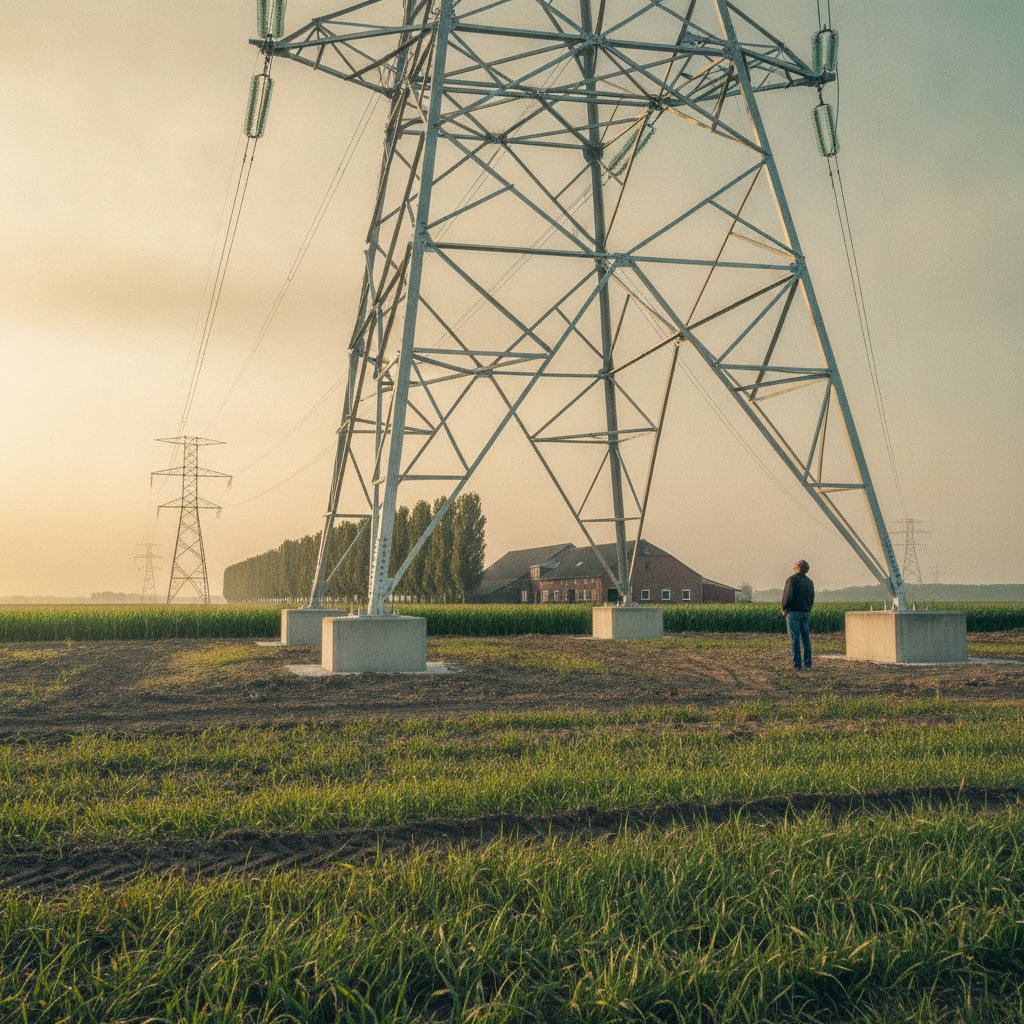
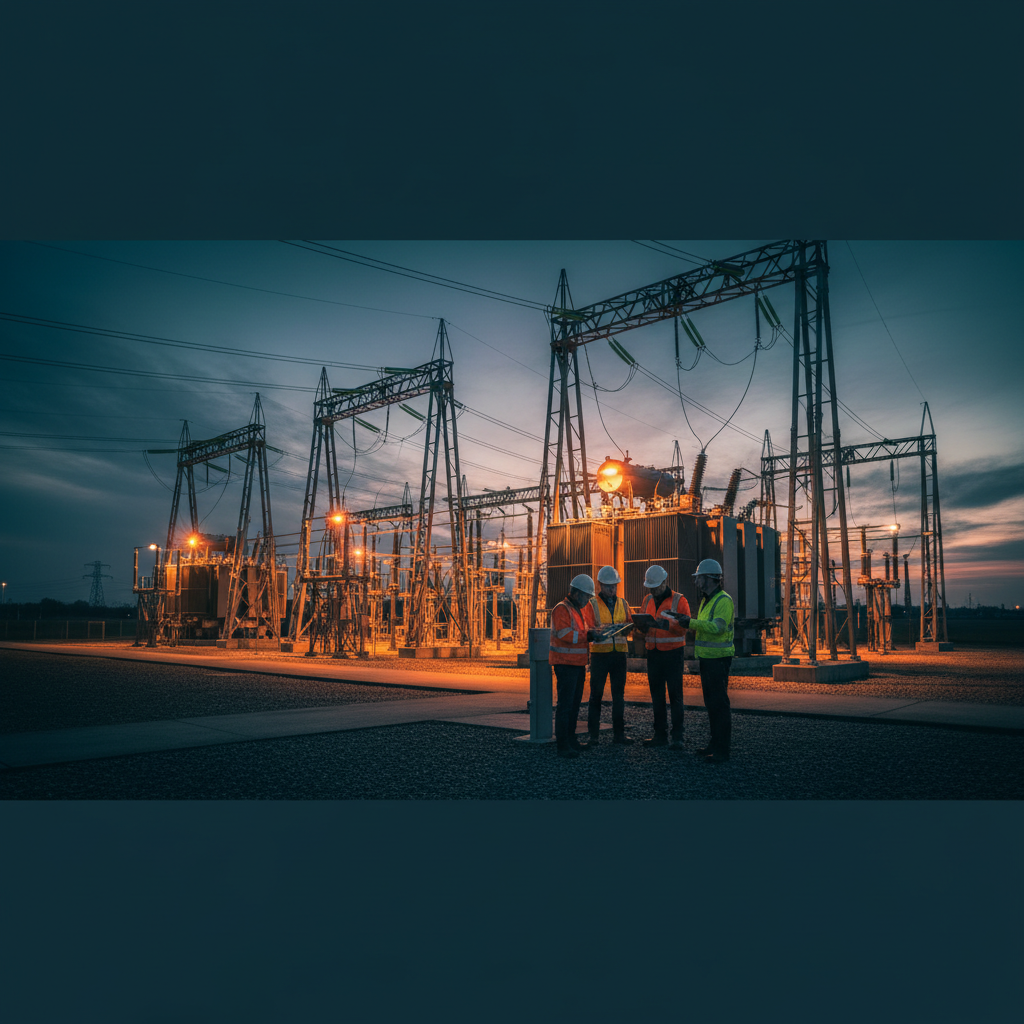
Until 2 July 2026, the preliminary preferred decision for the Vierverlaten–Ens 380 kV connection is open for public review — the first major project to fall under the new buyout scheme for residents within 100 metres of a new overhead high-voltage line. Generous on paper, in practice tighter than many administrators expected: six months to choose between staying or selling.

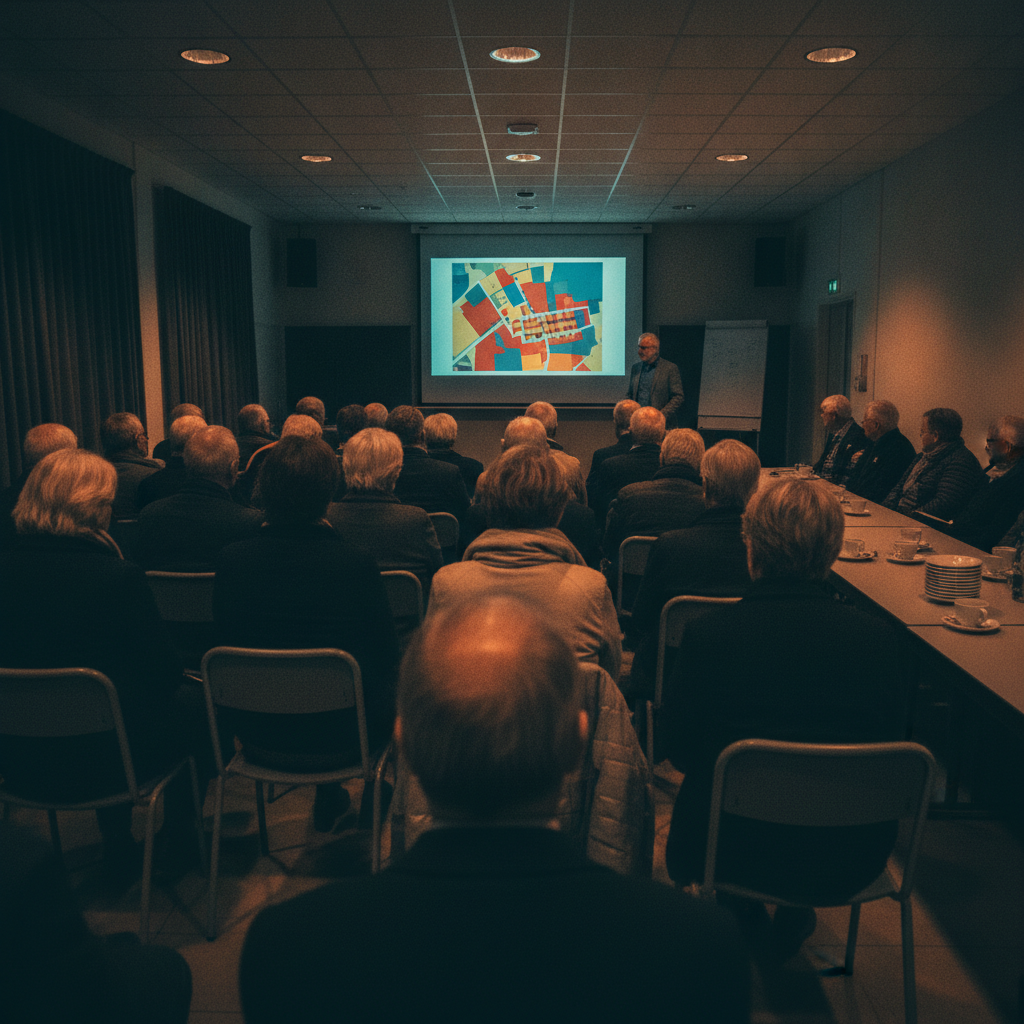
Truck ban on the Zwijndrechtsebrug: stakeholder and environmental management in the waiting period until 2030 Truck ban on the Zwijndrechtsebrug: stakeholder and environmental management in the waiting period until 2030 25 May 2026
Projects

Truck ban on the Zwijndrechtsebrug: stakeholder and environmental management in the waiting period until 2030

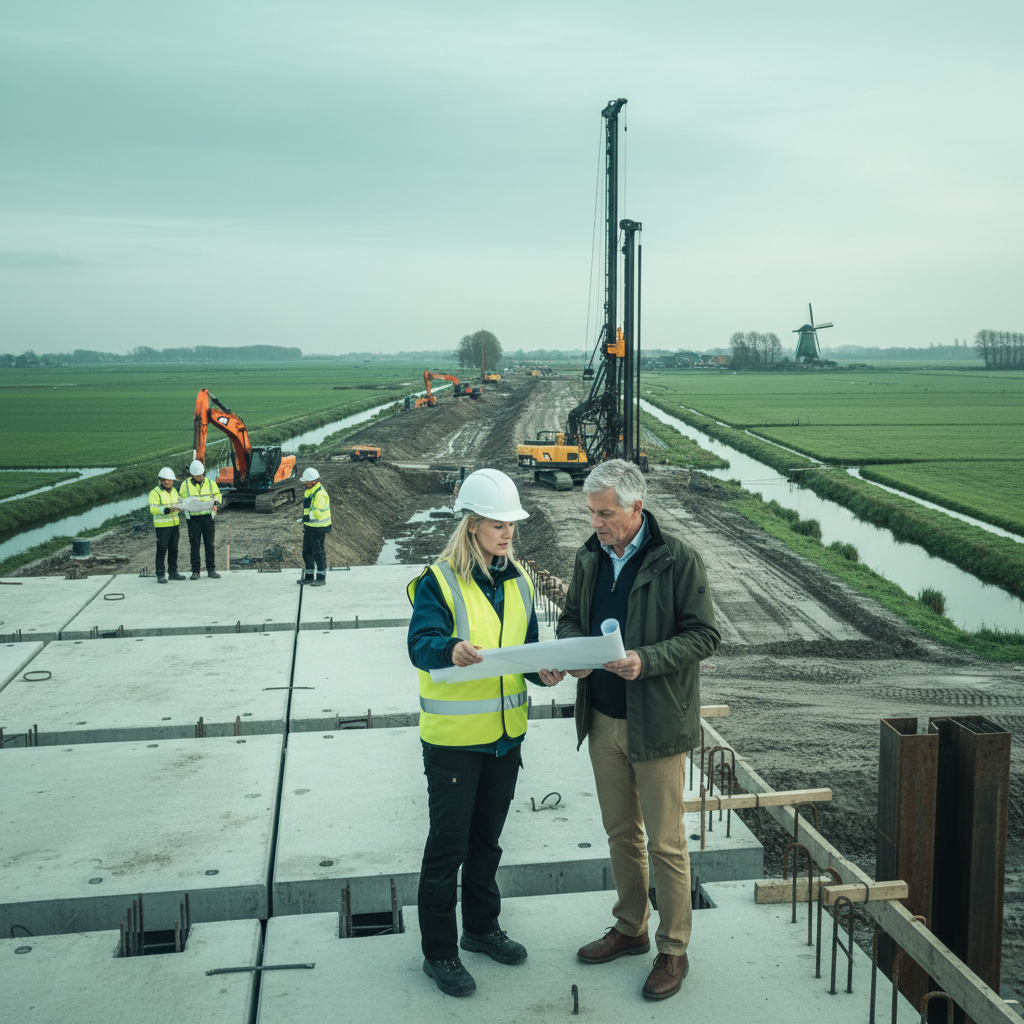
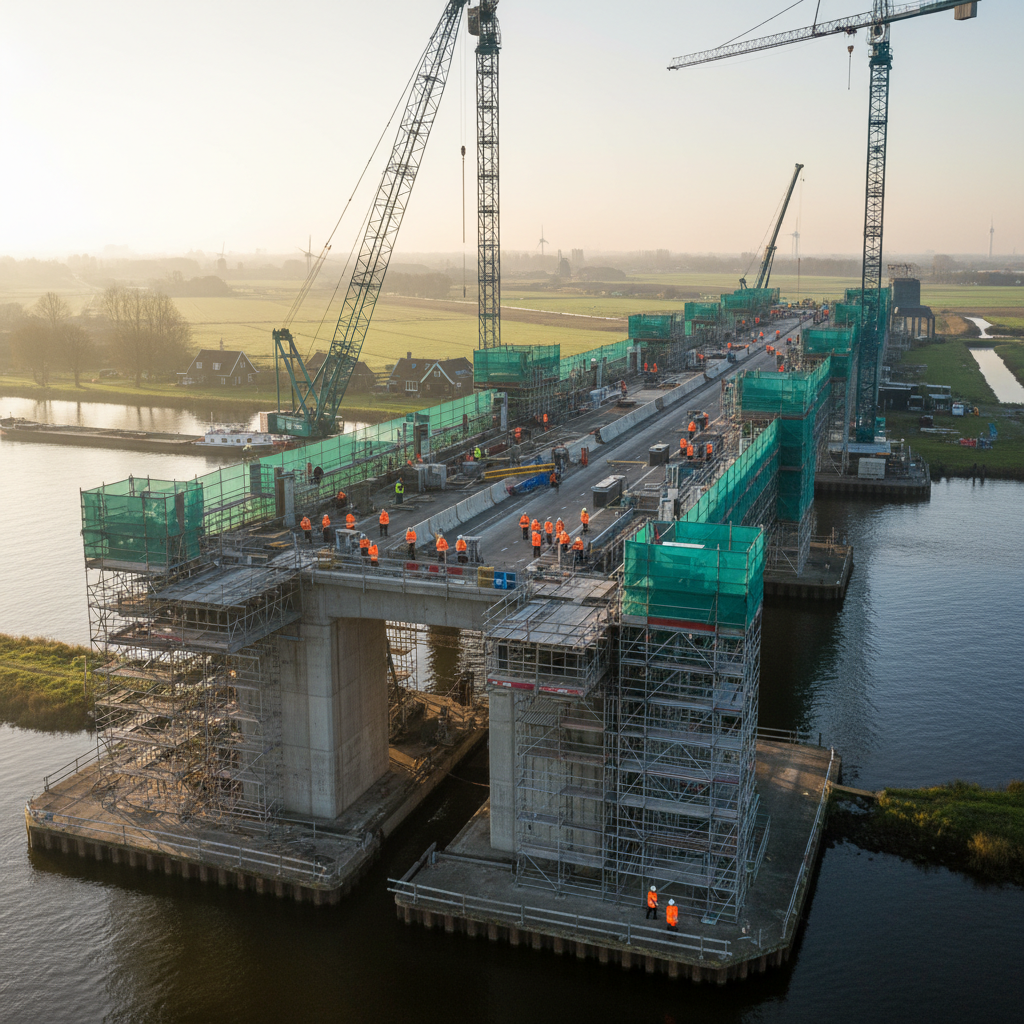
From 3 June 2026, trucks, tour buses and agricultural vehicles will be banned from the Verkeersbrug Dordrecht — known locally as the Zwijndrechtsebrug. An interim measure that has to bridge four years until the planned renovation in 2030, and one that introduces a new variant of stakeholder and environmental management on renewal projects: not building, but waiting.

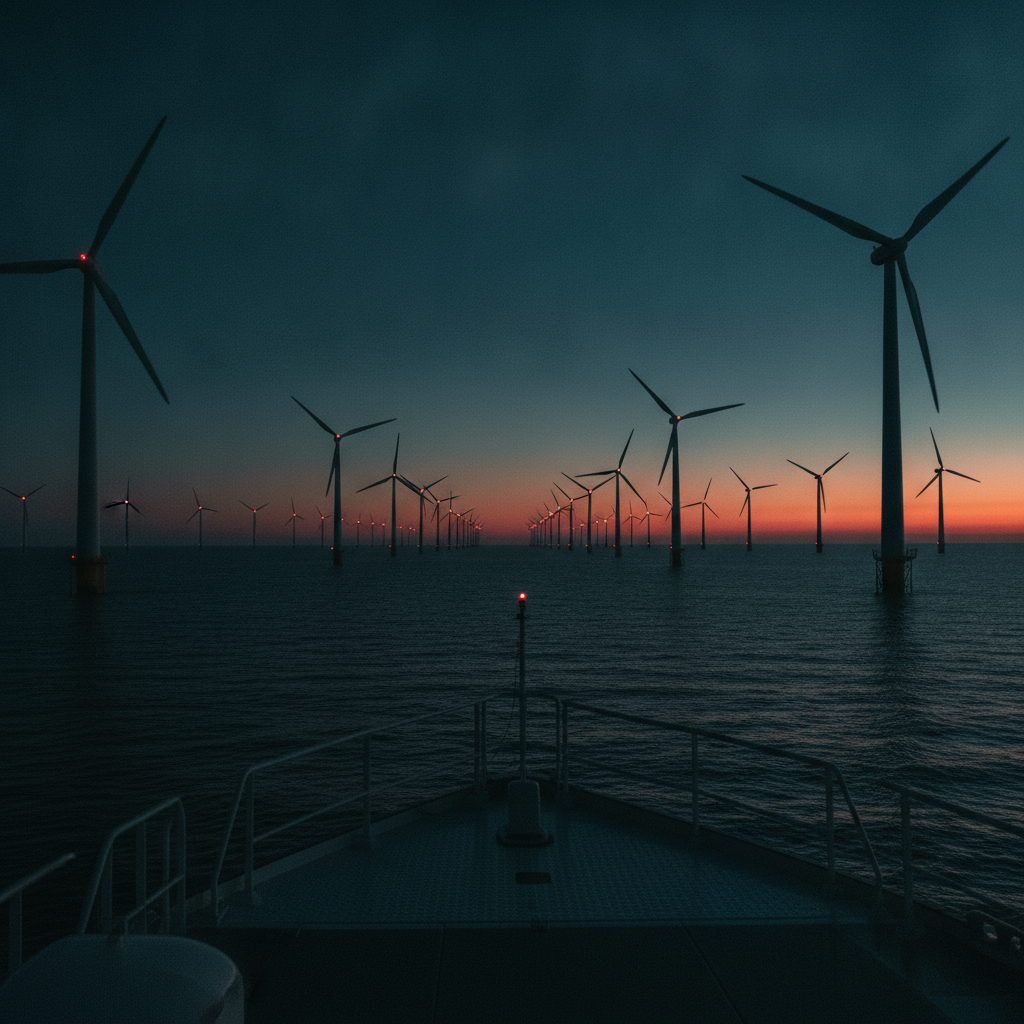
A connection offer is not a right: what the Goodman ruling means for stakeholder and environmental management A connection offer is not a right: what the Goodman ruling means for stakeholder and environmental management 20 May 2026
Policy

A connection offer is not a right: what the Goodman ruling means for stakeholder and environmental management

A signed quote from the grid operator is not a delivery promise. The Gelderland court's message to data centre developer Goodman affects far more projects than just data centres — and forces project developers to elevate grid capacity from a technical detail to a central stakeholder and environmental management issue.

Two faces of the waterway challenge: planned renewal versus reactive failure management Two faces of the waterway challenge: planned renewal versus reactive failure management 18 May 2026
Analysis

Two faces of the waterway challenge: planned renewal versus reactive failure management

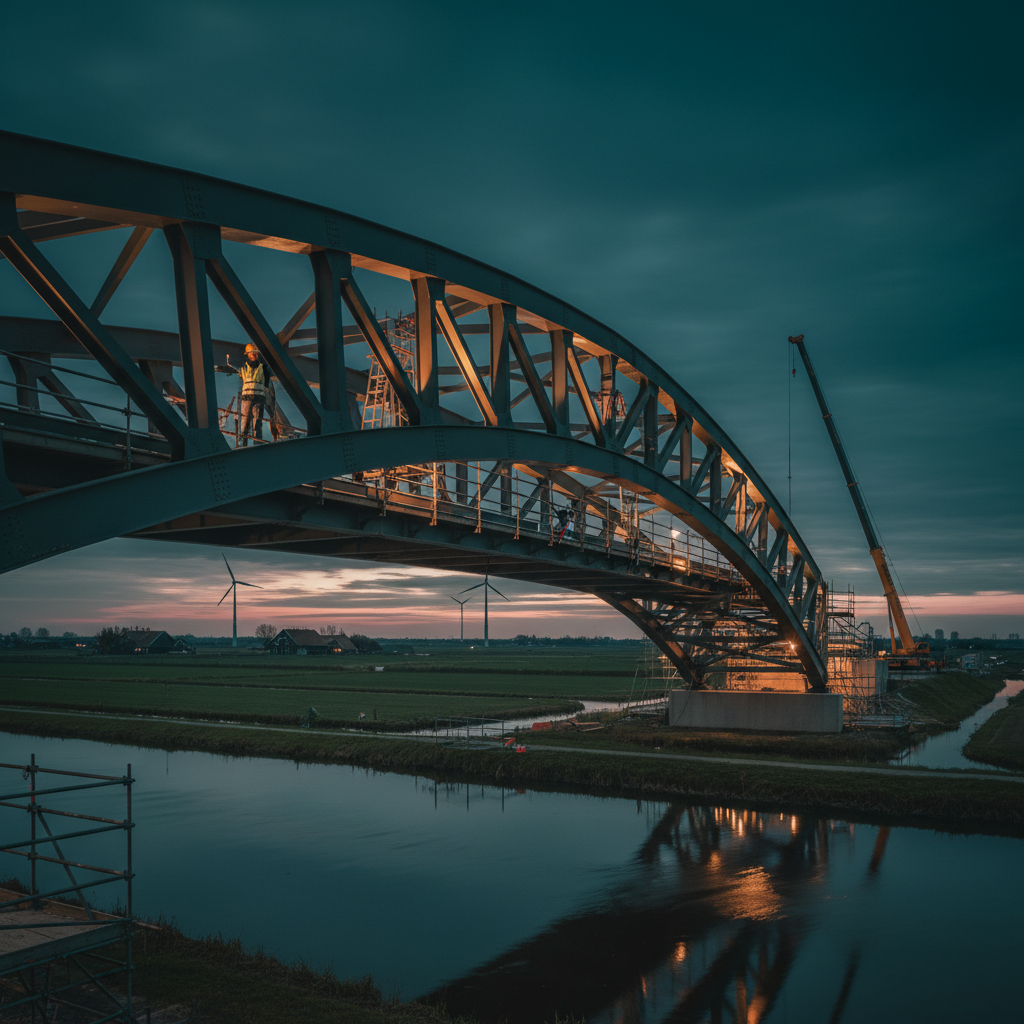
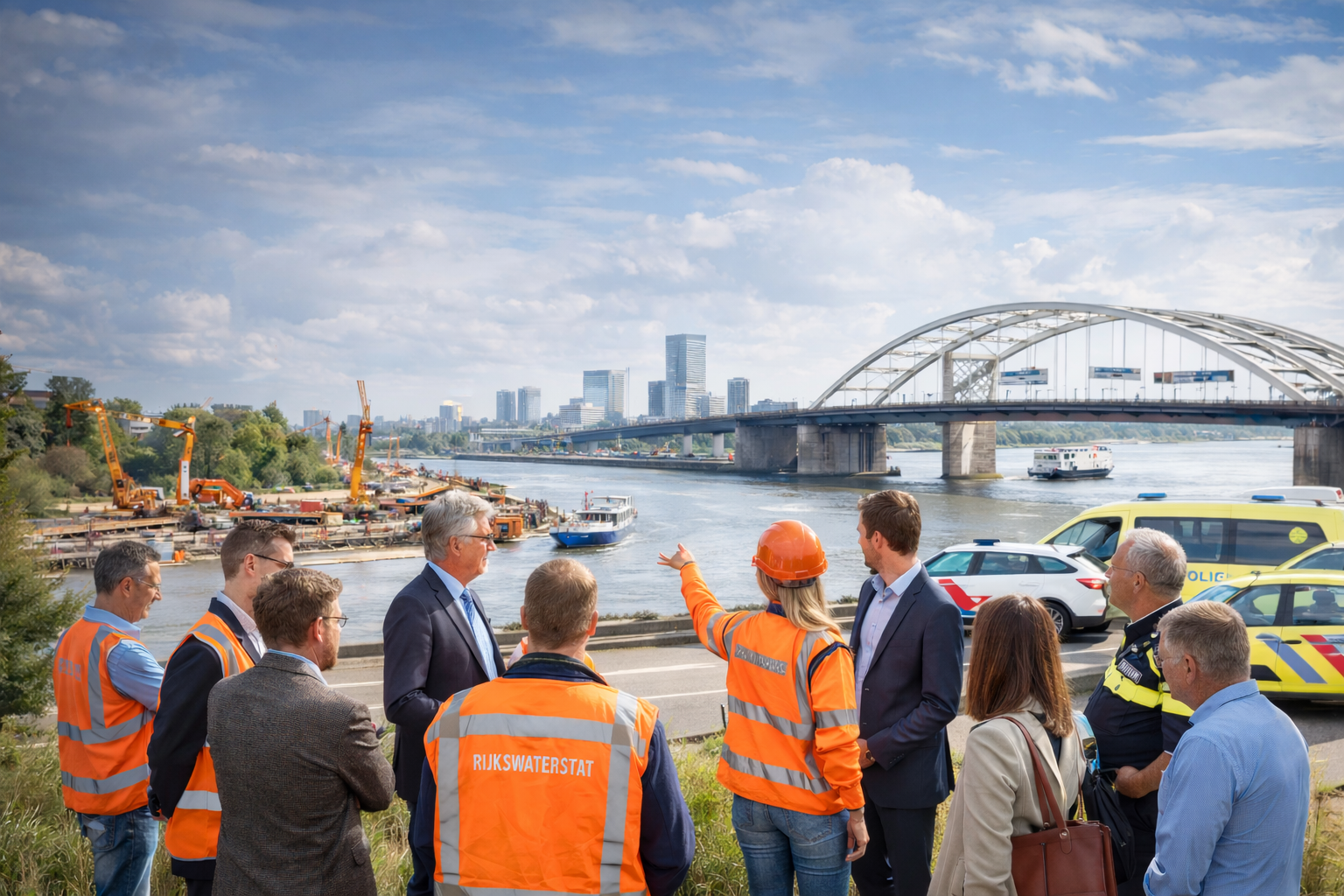
In the same week that Rijkswaterstaat lifted the northern dock door of the Maeslantkering for major maintenance, waterway users submitted a petition about postponed repairs to the Buitenhuizerbrug and Algerabrug. Both events show how the same renewal challenge produces two fundamentally different realities — and what that means for stakeholder and environmental management.

Saving for the Lelylijn: what regional co-financing means for stakeholder and environmental management Saving for the Lelylijn: what regional co-financing means for stakeholder and environmental management 11 May 2026
Policy

Saving for the Lelylijn: what regional co-financing means for stakeholder and environmental management

Northern Netherlands has chosen its own Lelylijn Regional Savings Fund of €400 million per year. This shifts more than just financing: governance relationships and the role of stakeholder and environmental management also move with it.

Energy hubs: the coordinator role as the key to collective grid capacity Energy hubs: the coordinator role as the key to collective grid capacity 10 May 2026
Knowledge Base

Energy hubs: the coordinator role as the key to collective grid capacity

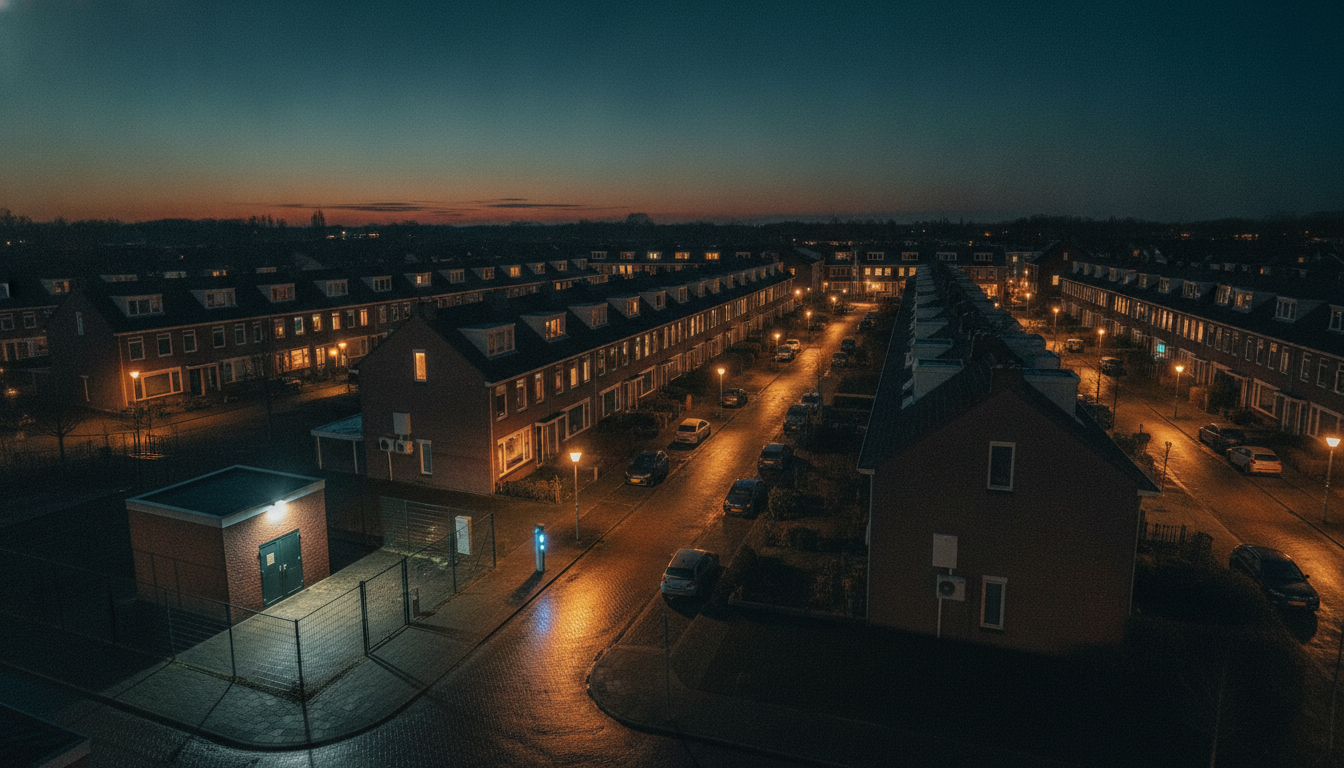
Connection waiting lists, an Energy Act that enables collective contracts and a regulator that adds households to the queue from 1 July — energy hubs have moved from research topic to a serious option for business parks. The decisive factor is not technology, but coordination.

Six lessons from the Vlaketunnel closure for stakeholder and environmental management on renewal projects Six lessons from the Vlaketunnel closure for stakeholder and environmental management on renewal projects 4 May 2026
Projects

Six lessons from the Vlaketunnel closure for stakeholder and environmental management on renewal projects

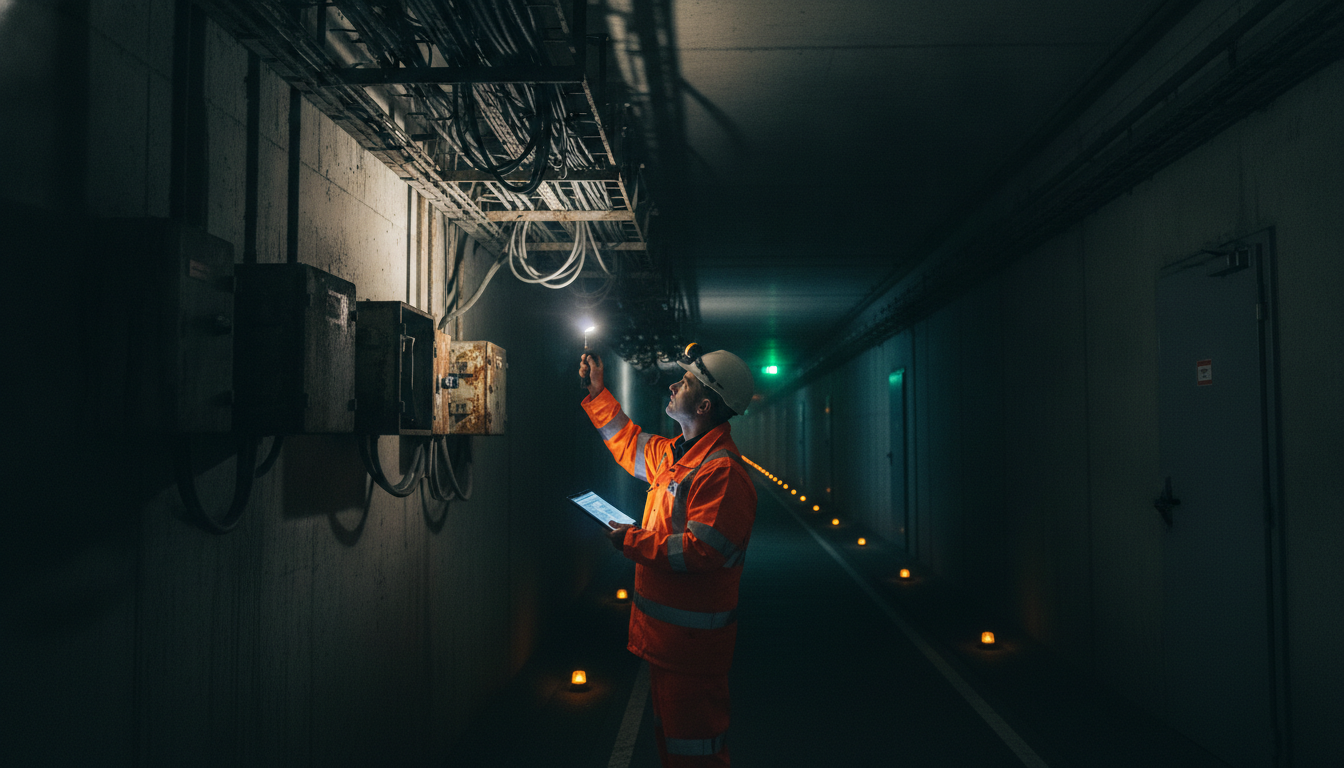
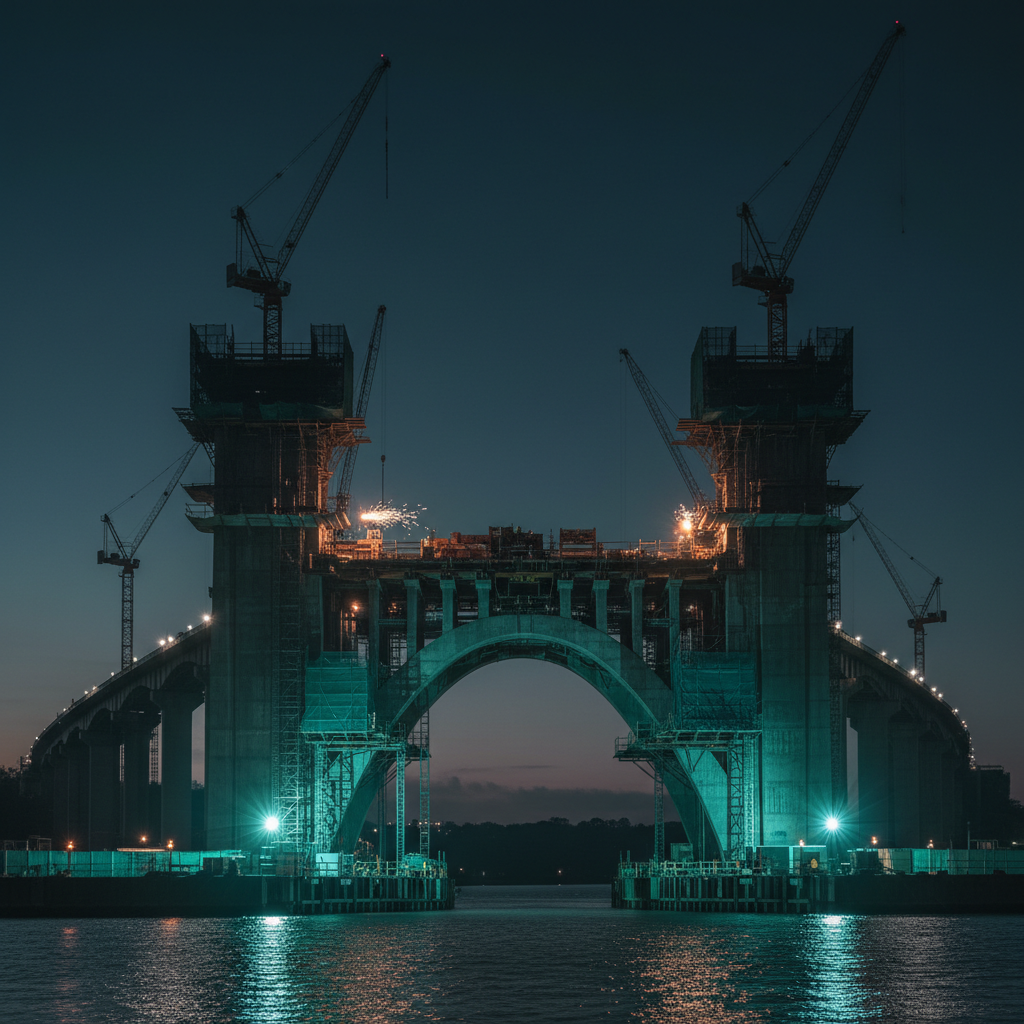
Between 9 and 20 April 2026, the Vlaketunnel on the A58 was completely closed for eleven days for major maintenance. The engineering task was well-defined — the real test lay in the surroundings. Six lessons from a closure that serves as a blueprint for Rijkswaterstaat's wider renewal programme.

Queueing for the grid: what the new ACM prioritisation framework means for stakeholder and environmental management from 1 July 2026 Queueing for the grid: what the new ACM prioritisation framework means for stakeholder and environmental management from 1 July 2026 29 April 2026
Policy

Queueing for the grid: what the new ACM prioritisation framework means for stakeholder and environmental management from 1 July 2026

From 1 July 2026, anyone applying for an electricity connection in a congested area — from a data centre to a household — will share the same waiting list. The new ACM rules change not just the technical mechanics of grid access, but the politics surrounding it. An analysis of what the prioritisation framework means for municipalities, developers and environmental managers.

Haarlem rail junction: how the rail replacement task hits the Mobility Fund wall Haarlem rail junction: how the rail replacement task hits the Mobility Fund wall 27 April 2026
Projects

Haarlem rail junction: how the rail replacement task hits the Mobility Fund wall

ProRail must replace the Haarlem rail junction one-to-one in 2028 because funding for future-proof renewal is not available. A parliamentary motion came too late. What this project reveals about the Dutch rail replacement task — and why the Haarlem file is the most instructive case of the year for stakeholder and environmental managers.

The R&R task doesn't have a concrete problem. It has a stakeholder problem. The R&R task doesn't have a concrete problem. It has a stakeholder problem. 22 April 2026
Analysis

The R&R task doesn't have a concrete problem. It has a stakeholder problem.

Today the sector debates materials, standardisation and market capacity at the Infrastructure Day. Legitimate concerns — but the real bottleneck in executing the replacement and renovation task is stakeholder and environmental management. And that dimension barely features in the conversation.

When the route decision fails: what Ring Utrecht teaches about nitrogen law in infrastructure projects When the route decision fails: what Ring Utrecht teaches about nitrogen law in infrastructure projects 15 April 2026
Policy

When the route decision fails: what Ring Utrecht teaches about nitrogen law in infrastructure projects

On 11 March 2026, the Council of State annulled the route decision for widening the A27 near Amelisweerd. Twelve years of preparation, brought down by a single legal criterion: the additionality requirement in external nitrogen offsetting. What this means for other infrastructure projects — and why nitrogen law is a task for environmental managers.

Heat zones, authority and participation: what the Collective Heat Act demands from municipalities and environmental managers Heat zones, authority and participation: what the Collective Heat Act demands from municipalities and environmental managers 13 April 2026
Policy

Heat zones, authority and participation: what the Collective Heat Act demands from municipalities and environmental managers

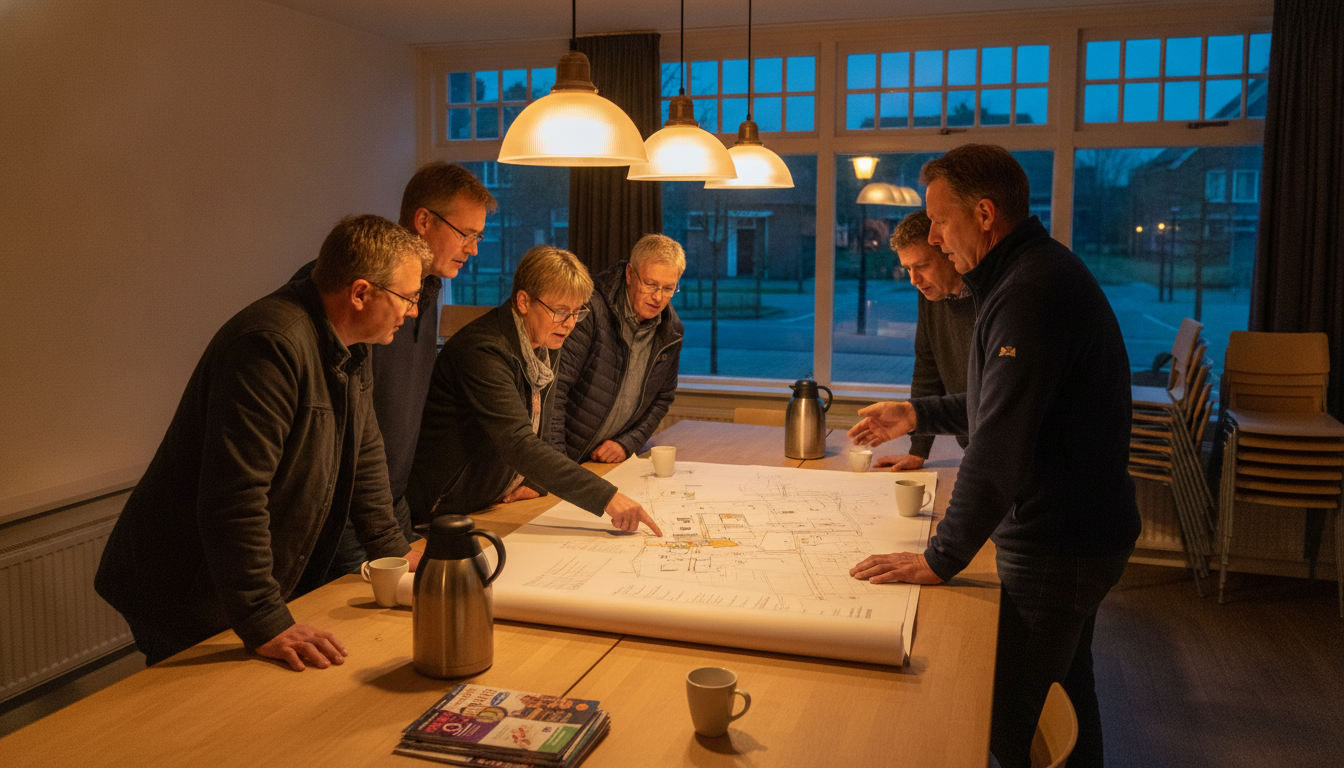
Since 1 January 2026, municipalities direct district heating networks in the Netherlands. They designate heat zones, select heat companies and safeguard affordability. But how do you ensure residents aren't presented with a fait accompli? A practical guide for stakeholder and environmental managers implementing the Collective Heat Act.

Seventeen projects in the waiting room: the stakeholder management challenge of restarting paused infrastructure projects Seventeen projects in the waiting room: the stakeholder management challenge of restarting paused infrastructure projects 8 April 2026
Projects

Seventeen projects in the waiting room: the stakeholder management challenge of restarting paused infrastructure projects

Seventeen MIRT projects were stalled for years due to nitrogen, finances and capacity shortages. Now that restarts are being initiated, technical and legal preparation turns out to be only half the work. Stakeholder relationships have lapsed, public support must be rebuilt — and the clock is ticking.

Deutschlandtempo versus the polder model: what Dutch network operators can learn from Germany's acceleration Deutschlandtempo versus the polder model: what Dutch network operators can learn from Germany's acceleration 6 April 2026
Analysis

Deutschlandtempo versus the polder model: what Dutch network operators can learn from Germany's acceleration

Germany is building out its high-voltage grid at a pace the Netherlands cannot match. But does faster mean better? A comparison between German emergency legislation and the Dutch polder model — and what stakeholder and environmental management delivers on both sides of the border.

Seven dilemmas of the dike worker: what the HWBP Dike Workers' Day 2026 teaches about stakeholder and environmental management Seven dilemmas of the dike worker: what the HWBP Dike Workers' Day 2026 teaches about stakeholder and environmental management 6 April 2026
Knowledge Base

Seven dilemmas of the dike worker: what the HWBP Dike Workers' Day 2026 teaches about stakeholder and environmental management

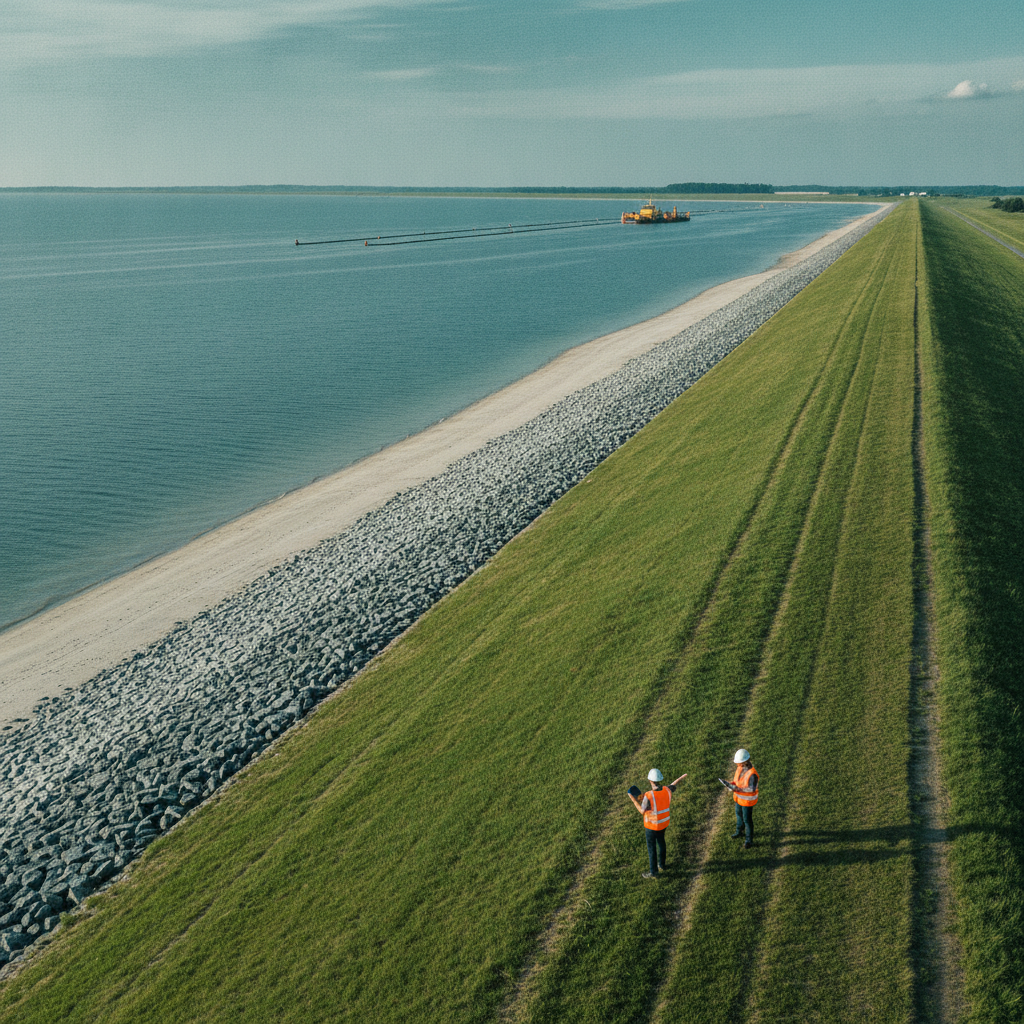
On 2 April, the Dutch Flood Protection Programme presented its 2026 Project Book and the Dike Workers' Day in Den Bosch once again put the persistent dilemmas facing dike reinforcement teams on the table. Seven lessons for stakeholder and environmental managers working on the largest dike reinforcement operation since the Delta Works.

At the tipping point: what the environmental services robustness deadline means for infrastructure projects At the tipping point: what the environmental services robustness deadline means for infrastructure projects 1 April 2026
Policy

At the tipping point: what the environmental services robustness deadline means for infrastructure projects

By 1 April 2026, all 28 Dutch environmental services must meet the robustness criteria for licensing, inspection and enforcement. Many will not. This has direct consequences for permitting processes in infrastructure projects — and for the organisations that depend on them.

From object to programme: stakeholder and environmental management in a serial replacement approach From object to programme: stakeholder and environmental management in a serial replacement approach 30 March 2026
Knowledge Base

From object to programme: stakeholder and environmental management in a serial replacement approach

De Bouwcampus warns: the approach to the infrastructure replacement task is too fragmented and object-focused. Rijkswaterstaat and TNO seek solutions in serial and programmatic working. But what does that mean for stakeholder and environmental management? Five steps for an effective approach.

Building faster starts with better environmental management Building faster starts with better environmental management 25 March 2026
Policy

Building faster starts with better environmental management

The political call for less public participation and shorter procedures sounds appealing, but in practice leads to more objections, more court cases, and longer delays. Good stakeholder and environmental management is not a brake on infrastructure projects — it is the engine.

Six lessons from the ACM review: why transparency is essential for grid expansion Six lessons from the ACM review: why transparency is essential for grid expansion 23 March 2026
Knowledge Base

Six lessons from the ACM review: why transparency is essential for grid expansion

The ACM concluded that the investment plans of Enexis, Liander, Stedin and TenneT were insufficiently substantiated. The network operators are launching an improvement programme. Six lessons on transparency and stakeholder communication that go beyond the investment plan itself.

The new Energy Act 2026: what does it mean for stakeholder and environmental management in energy infrastructure? The new Energy Act 2026: what does it mean for stakeholder and environmental management in energy infrastructure? 18 March 2026
Policy

The new Energy Act 2026: what does it mean for stakeholder and environmental management in energy infrastructure?

Since 1 January 2026, the new Energy Act has been in force in the Netherlands. Network operators become system operators, the connection obligation lapses during congestion, and prioritisation determines who gets capacity and when. What are the consequences for stakeholder and environmental management?

The national hydrogen network: stakeholder and environmental management for the energy carrier of the future The national hydrogen network: stakeholder and environmental management for the energy carrier of the future 16 March 2026
Analysis

The national hydrogen network: stakeholder and environmental management for the energy carrier of the future

The Netherlands is building a national hydrogen network connecting industrial clusters from Rotterdam to Groningen. What does this mean for stakeholder and environmental management along the route?

Participation under the Environment and Planning Act: the new reality for infrastructure projects Participation under the Environment and Planning Act: the new reality for infrastructure projects 11 March 2026
Policy

Participation under the Environment and Planning Act: the new reality for infrastructure projects

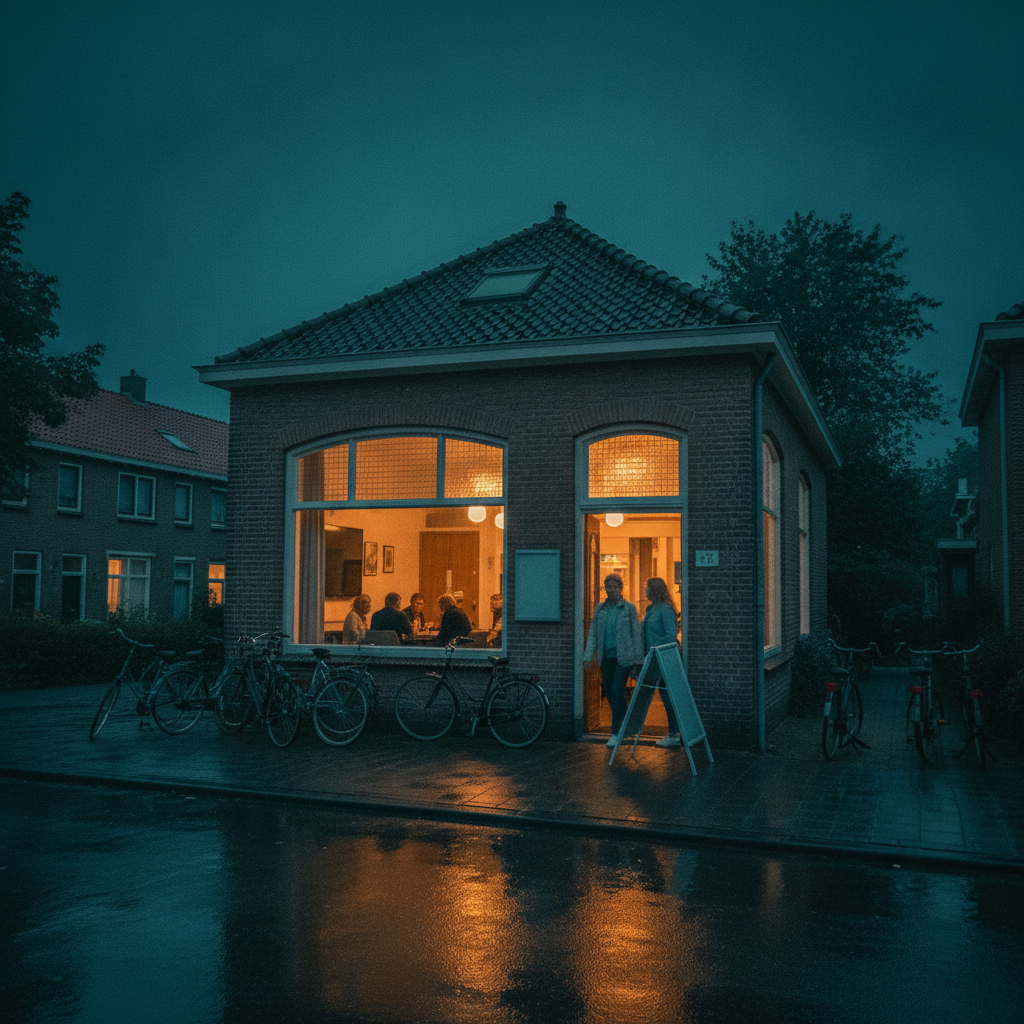
Since 1 January 2026, the transition period of the Dutch Environment and Planning Act has fully expired. What does the participation requirement mean in practice for stakeholder and environmental management at major infrastructure projects?

The Great Renewal Challenge: Stakeholder and Environmental Management in Bridge, Tunnel and Lock Renovation The Great Renewal Challenge: Stakeholder and Environmental Management in Bridge, Tunnel and Lock Renovation 9 March 2026
Analysis

The Great Renewal Challenge: Stakeholder and Environmental Management in Bridge, Tunnel and Lock Renovation

Rijkswaterstaat faces an unprecedented renewal challenge: 5,000 bridges, 27 tunnels and 92 lock complexes must be renewed in the coming years. Of the required €12.85 billion, more than half remains unfunded. How do you organise stakeholder and environmental management for such disruptive and long-term projects?

Grid reinforcement delayed: why stakeholder and environmental management makes the difference Grid reinforcement delayed: why stakeholder and environmental management makes the difference 7 March 2026
Analysis

Grid reinforcement delayed: why stakeholder and environmental management makes the difference

Sixty percent of TenneT's grid expansion projects face an average delay of two and a half years. Better stakeholder and environmental management is the key to acceleration.

Stakeholder management in large infrastructure projects 5 March 2026
Knowledge base

Stakeholder management in large infrastructure projects

How do you identify stakeholders, what are their interests and how do you build public support? A practical guide with examples from infrastructure practice.

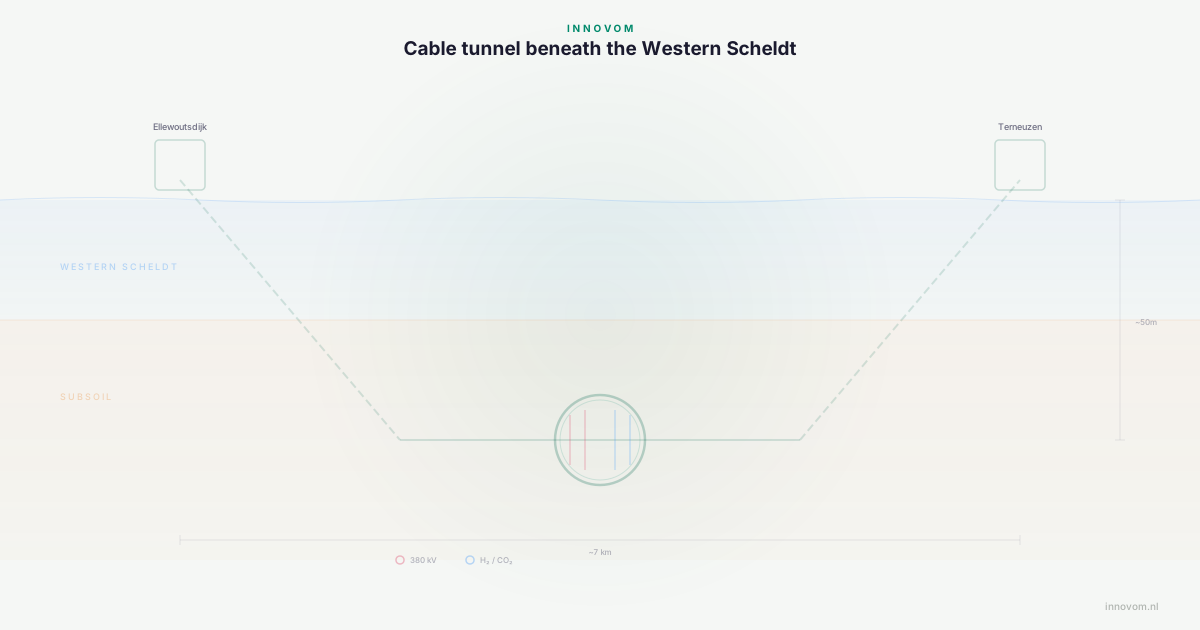
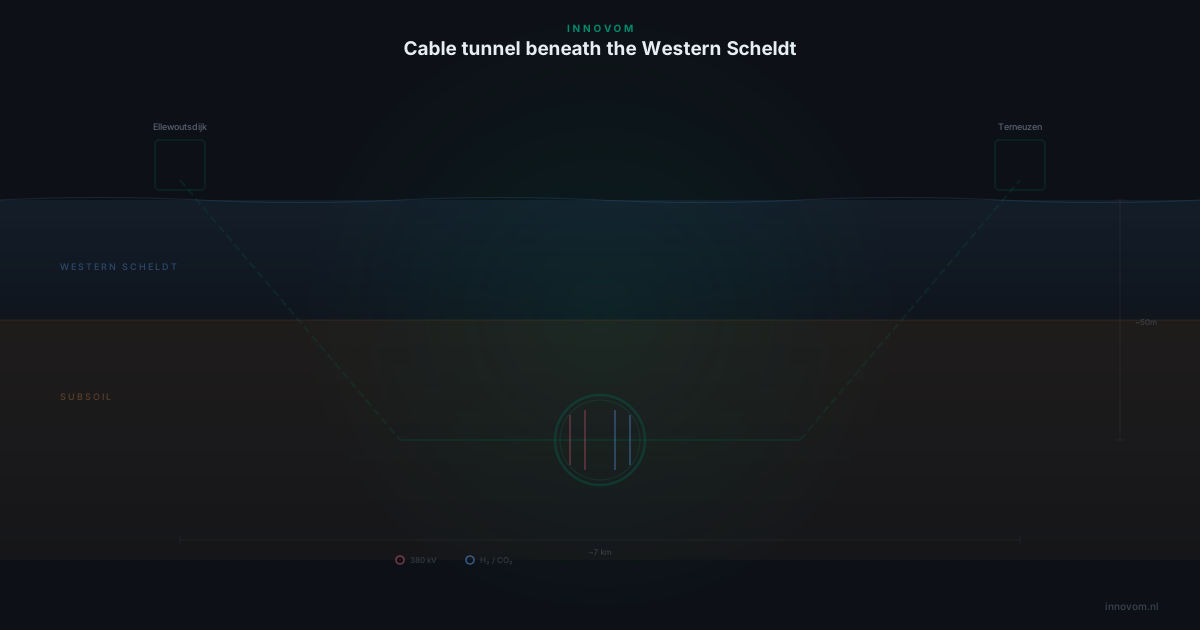
A cable tunnel beneath the Western Scheldt: technical feasibility, cross-sections and landing options A cable tunnel beneath the Western Scheldt: technical feasibility, cross-sections and landing options 3 March 2026
Analysis

A cable tunnel beneath the Western Scheldt: technical feasibility, cross-sections and landing options

The energy transition in Zeeland requires a new 380 kV connection beneath the Western Scheldt. This article explores the technical feasibility of a cable tunnel, cross-section options and landing possibilities.

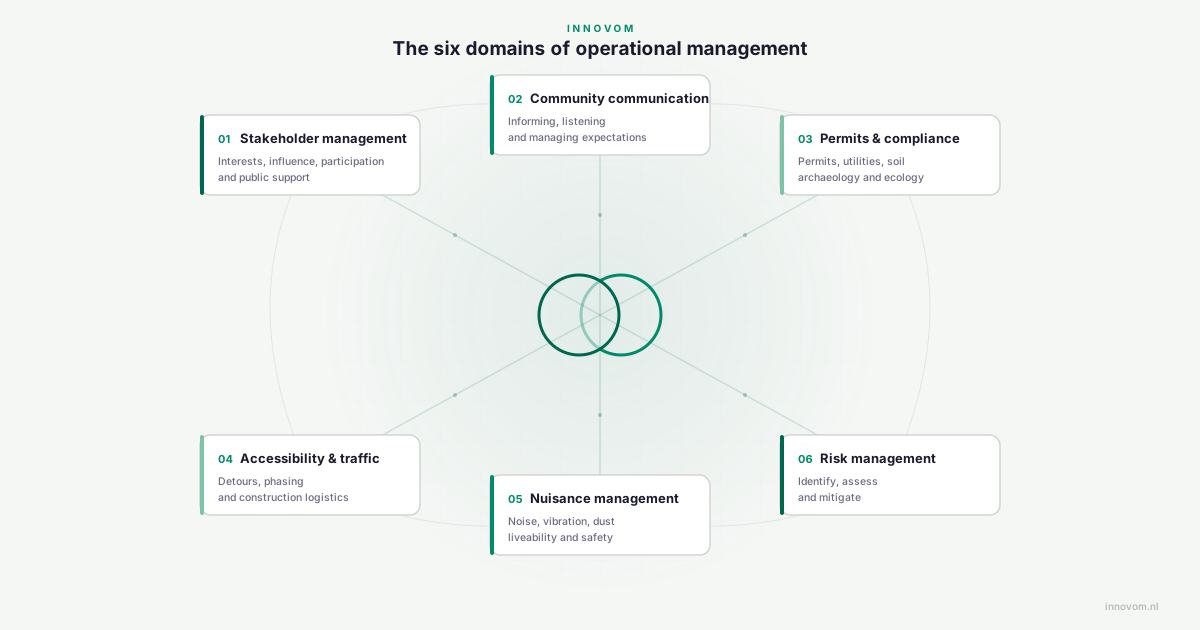
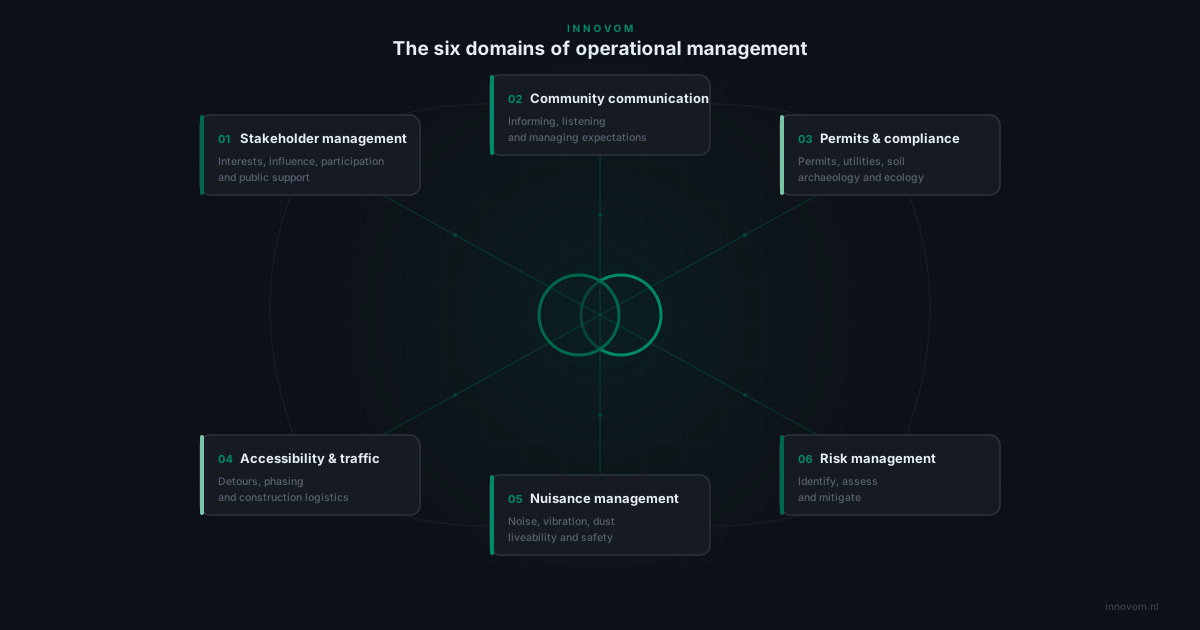
What is operational management (omgevingsmanagement)? A practical guide What is operational management (omgevingsmanagement)? A practical guide 27 February 2026
Knowledge base

What is operational management (omgevingsmanagement)? A practical guide

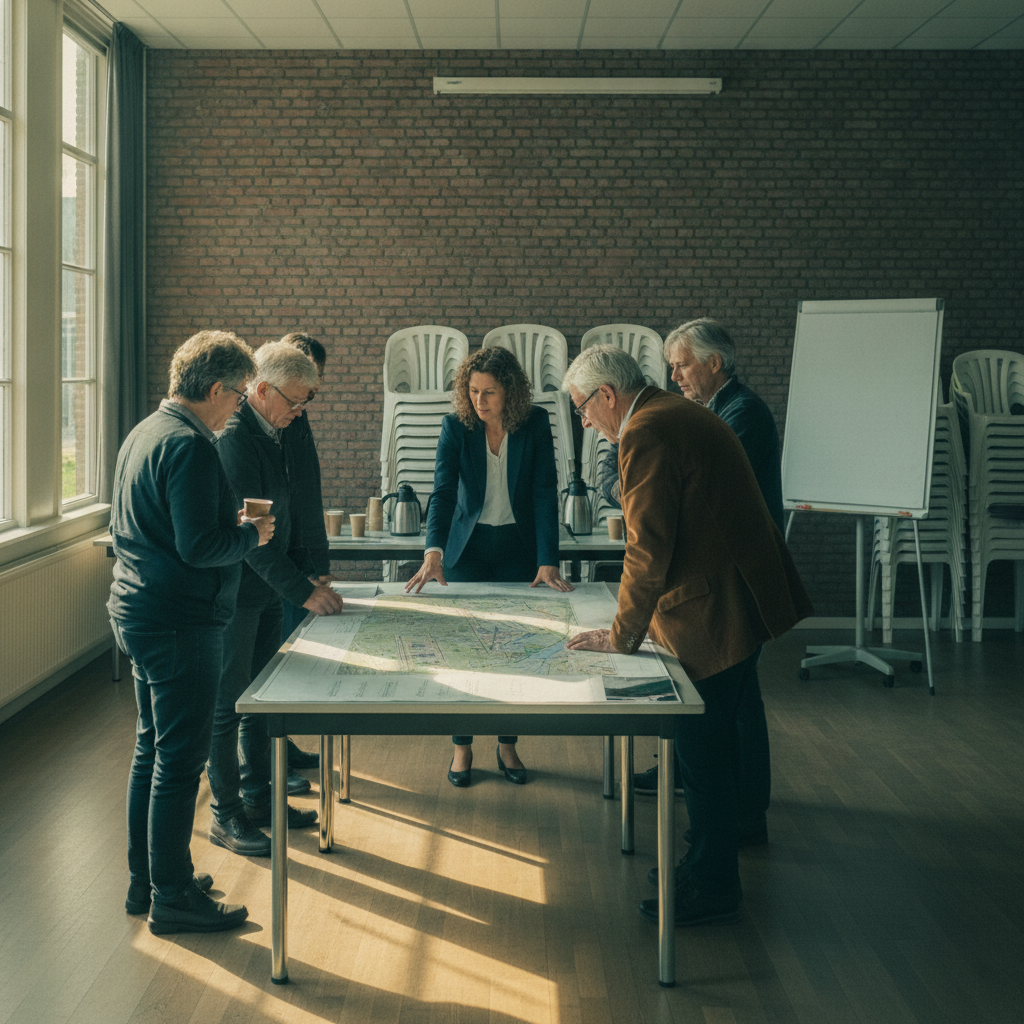
Operational management (omgevingsmanagement) ensures that projects succeed not only technically, but also socially. What does the field involve, and what are its components?

Tunnel Renovation Design Studio: three processes, one integral assessment 24 February 2026
Innovation

Tunnel Renovation Design Studio: three processes, one integral assessment

Innovom launched an interactive Design Studio for tunnel renovation projects. Explore how choices in scope, accessibility, and safety interact — and build your own reference schedule.

Nitrogen deposition in infrastructure projects: a practical guide 15 February 2026
Analysis

Nitrogen deposition in infrastructure projects: a practical guide

How to handle nitrogen calculations in major renovation projects near Natura 2000 areas?

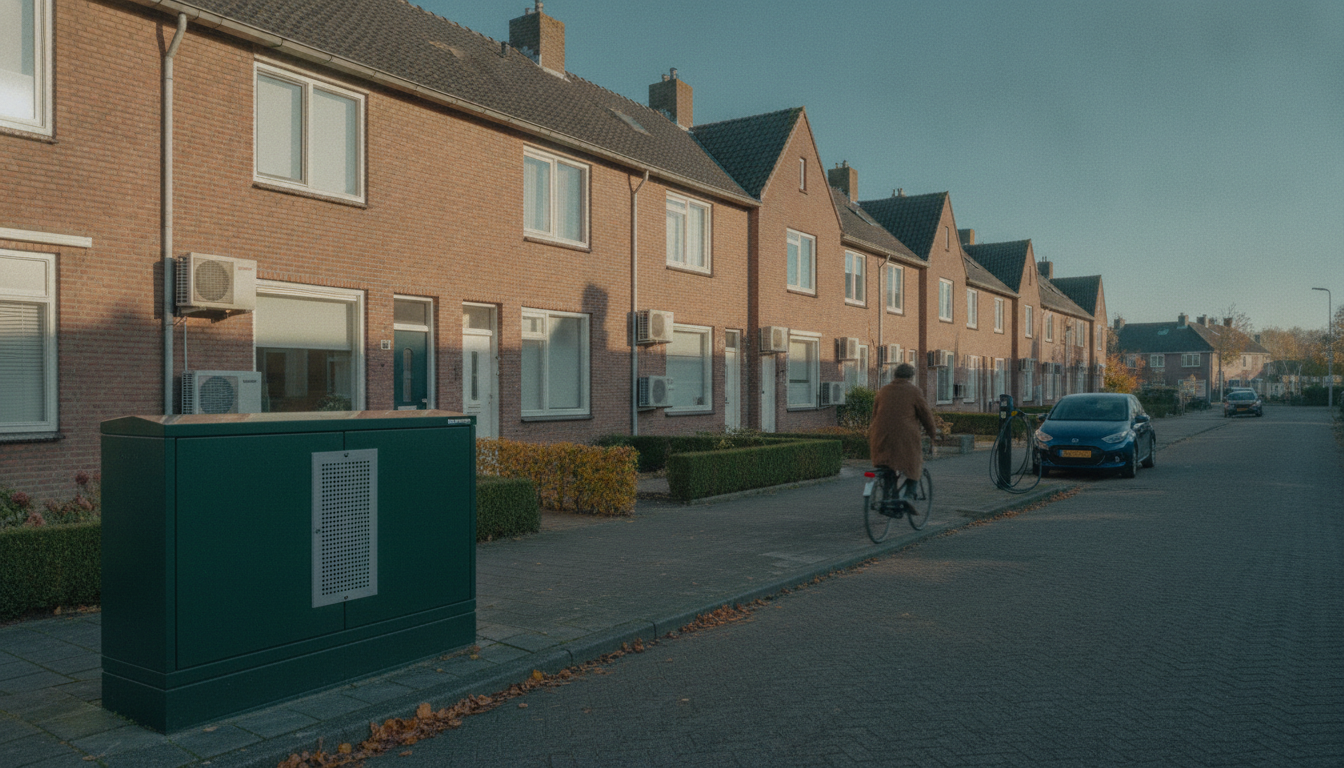
The Distribution Substation: experience environmental management in an interactive game The Distribution Substation: experience environmental management in an interactive game 20 January 2026
Innovation

The Distribution Substation: experience environmental management in an interactive game

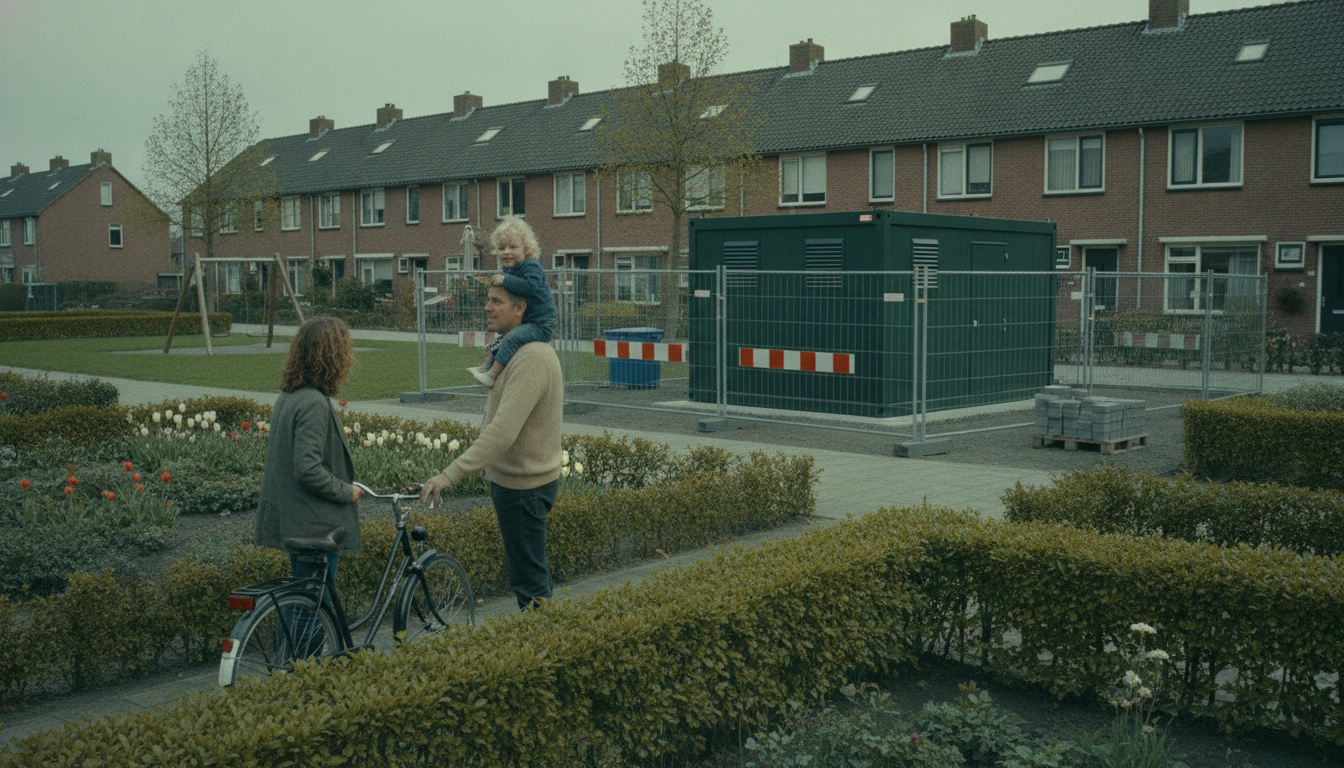
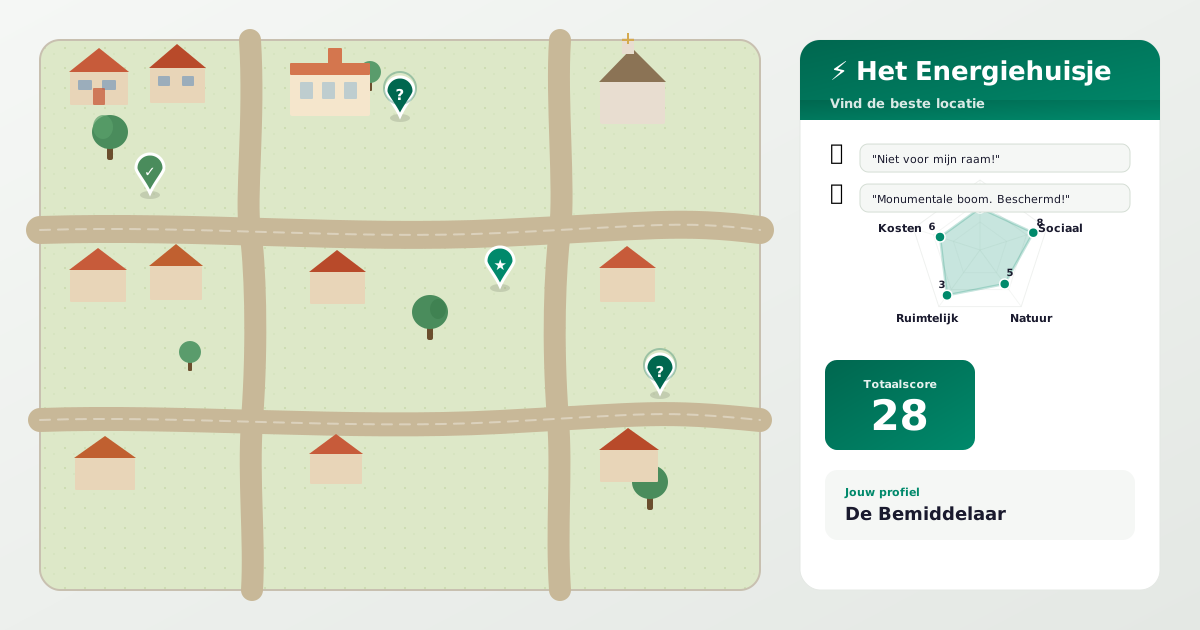
Where do you place a distribution substation when every location sparks resistance? In The Distribution Substation you experience the environmental manager's dilemma.

AI applications in environmental management 10 December 2025
Innovation

AI applications in environmental management

How artificial intelligence is fundamentally changing the way we conduct environmental analyses.