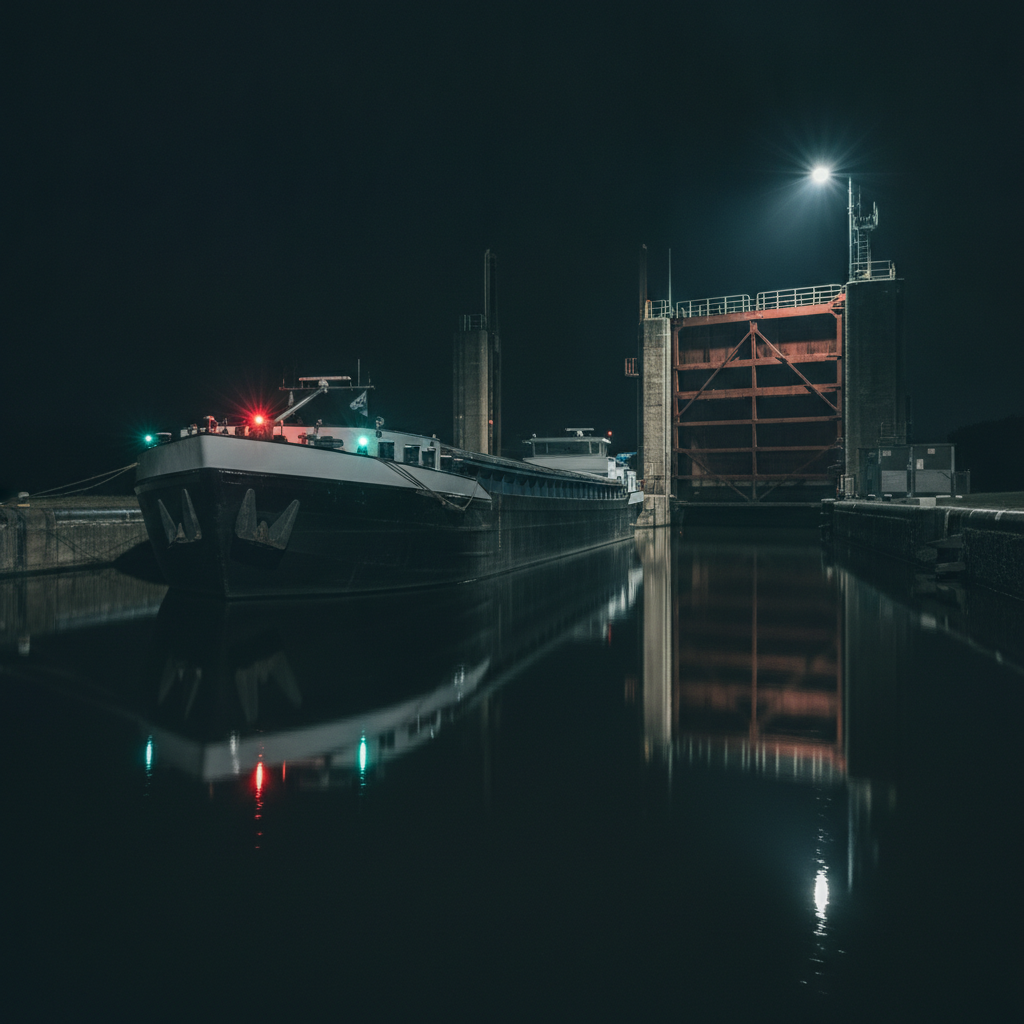
On 9 June 2026, waterway users across the Netherlands received another message from Rijkswaterstaat: the reopening of the Koninginnensluis in Nieuwegein is being postponed for the third time. The lock, a key gateway on the Merwedekanaal at Nieuwegein, has been closed since October 2025 for a major renovation. The first planned reopening was April 2026. A first delay in February moved that to the end of May. A second postponement pushed the expected date to early July. And on 9 June, with a new target of 14 July now on the table, that becomes the fourth scheduled opening date.
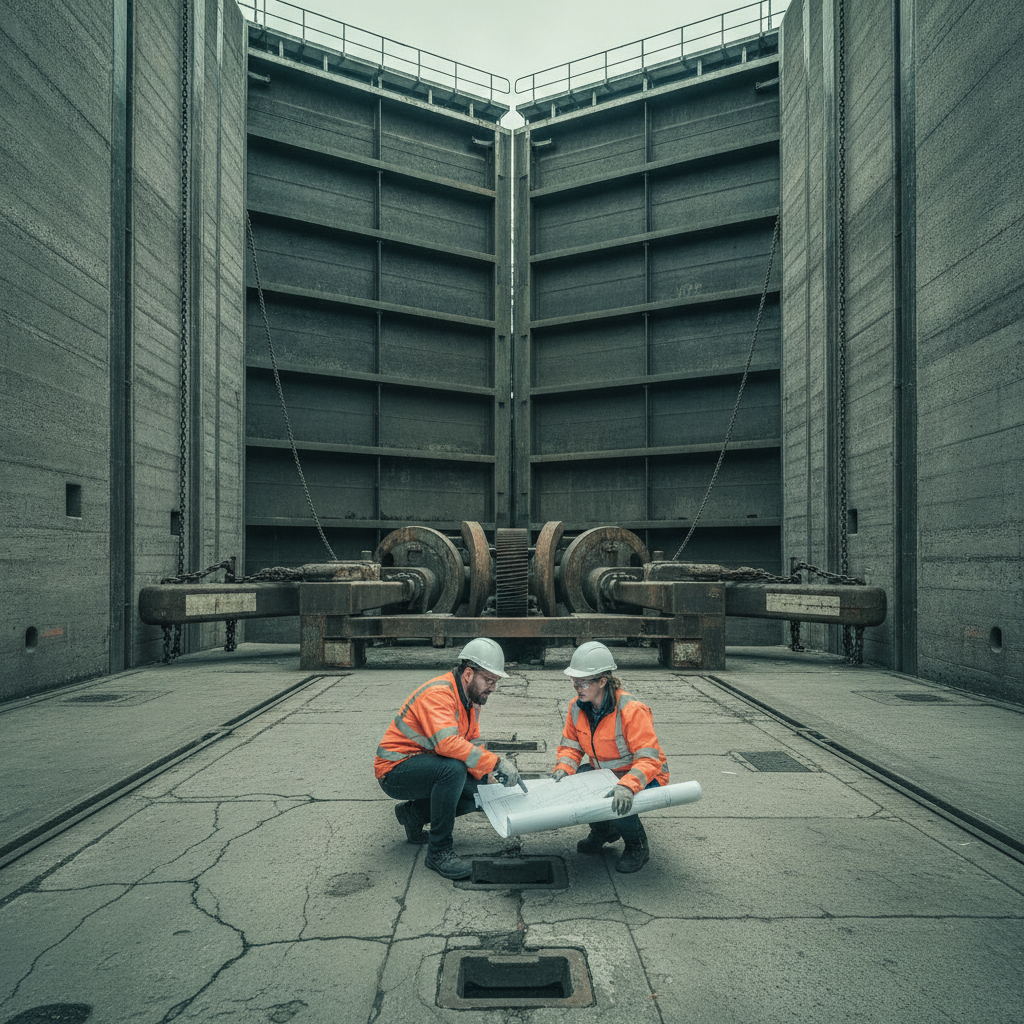
The direct cause of the latest delay is technical and revealing in equal measure: the drawings of the pivot points of the lock gates did not match the actual situation below the waterline. What worked on paper did not work in the field.
Every renewal, replacement and renovation (V&R) professional recognises this finding, and yet it continues to surprise. The Koninginnensluis is not an exception. It is a mirror. What do three consecutive delays in a single renovation project teach us about stakeholder and environmental management in the infrastructure renewal challenge?
1. As-built drawings are a starting point, not a guarantee
The cause of the latest delay is symptomatic of the V&R challenge as a whole. For infrastructure built decades ago, administrative records often diverge from physical reality. Water-based structures are especially vulnerable: the true condition of submerged components only becomes visible once the lock has been drained. Renovation planners working solely from historical documents risk encountering a reality that changes the scope entirely.
What this means for stakeholder management: schedules based on paper realities create risks for the surrounding community. Scope changes lead to delays, which generate frustration among users, contractors and administrators. Thorough pre-investigation (including dive inspections, 3D scans and interviews with previous contractors) is not a luxury but an investment in communication stability.
2. Water amplifies scope unpredictability
With a road or bridge, the construction scope is usually manageable: the hard structures can be inspected, measured and photographed before work begins. With a lock, a significant portion of the actual work is only accessible once the water has been pumped out. The true condition of the material (corrosion, wear, distortion, mismatched drawings) is discovered once work has already started.
What this means: clients and stakeholder managers working on water-based structures should structurally plan for a wider margin of uncertainty. Communicate that uncertainty proactively to waterway users and other stakeholders: before it materialises as delays, not after.
3. Three postponements is not three failures, but communication determines how it feels
The public does not always distinguish between a technically unavoidable delay and avoidable project management failure. Each delay feels like a broken promise, even when the cause is objectively unforeseeable. That feeling is not irrational: for an inland shipping operator who has scheduled cargo runs around the planned reopening date, a weeks-long delay has direct business consequences.
The lesson: communicate about delays as if they are personal, because for many users, they are. Explain the cause clearly, name the consequences for the user, and provide a new, realistic date as quickly as possible. A schedule revised three times but communicated transparently each time causes less damage to trust than a silent revision that only reaches stakeholders through a press release.
4. Lock renovations affect a network, not just an object
The Koninginnensluis sits on the Merwedekanaal, an important commercial waterway between the Rhine and the Hollandsche IJssel. A stranded lock is not a local incident: it shifts the logistics of an entire segment of inland shipping. Alternative routes are longer, more expensive and sometimes technically unavailable for larger vessels.
What this demands of stakeholder management: think in corridors, not in objects. Who depends on this lock? What alternatives exist, and are they accessible to the types of vessels that normally use this structure? That analysis must be available before the closure, not as an appendix to a press release, but as an active tool in the stakeholder process.
5. The temporary Emmabrug is also a stakeholder relationship
During the closure, a temporary crossing, the Emmabrug, was put in place for road traffic and pedestrians. Such compensatory measures are not only technical: they create expectations. When and how a temporary measure will be removed is communicatively as important as when the permanent structure reopens.
The lesson: compensatory measures are their own stakeholder relationships. They come with obligations: clear communication about the duration, the moment of removal, and the transition to the permanent situation. Failing to manage this creates a second source of frustration alongside the delay itself.
6. Schedule changes create contractual risks
Three consecutive delays in a renovation project also introduce contractual complexity: additional work orders, change requests, additional mobilisation costs, changed procurement conditions for materials. The risk of disputes increases when the cause of the delay lies in documentation or information that the client was expected to supply, such as historical as-built drawings that turn out to be inaccurate.
What this means: do not underestimate the contractual risk layer of unexpected scope changes. A sound stakeholder and environmental management process includes the client’s responsibility toward the contractor: who is accountable for the quality of the information provided, and what are the consequences if that information falls short?
7. Delays are a reputational risk for the entire renewal challenge
The Koninginnensluis is one project. But every project that repeatedly delays contributes to a broader perception in the sector: that the renewal and replacement challenge is unmanageable. That perception has consequences for political prioritisation, budget willingness at the Ministry of Infrastructure and Water Management, and public support in communities facing future projects in the same area.
Stakeholder managers can partially counter this risk, not by masking failures, but by providing the context that places delays within the broader perspective of the challenge. The Koninginnensluis is decades old. Its drawings date from an era before digital asset registration. The delays are frustrating, but understandable for those who know the context. That context needs a narrator.
Conclusion: three postponements make news, the lessons are structural
The Koninginnensluis reminds us that the renewal challenge is not a spreadsheet. It is a confrontation with the reality of ageing infrastructure, incomplete documentation and users who align their operations with schedules that sometimes cannot be maintained. Those who understand this mechanism, and communicate transparently about it, build trust precisely when it is most needed.
14 July is now in the diary. But the real question is not whether the Koninginnensluis will reopen on that date. The question is whether the surrounding community still believes it will.
Sources
- Opening Koninginnensluis postponed for the third time - Infrasite (9 June 2026)
- Opening Koninginnensluis postponed for the third time - Schuttevaer (9 June 2026)
- Postponement of Wilhelminabrug and Koninginnensluis - Rijkswaterstaat (February 2026)
- Planning and approach Koninginnensluis renovation - Rijkswaterstaat
- Renovation of Koninginnensluis begins - Rijkswaterstaat (October 2025)